U.S. Sanctions Iranian Firms Over Strait of Hormuz Shipping Fees, Escalating Maritime Tensions
Staff
Published July 30, 2026
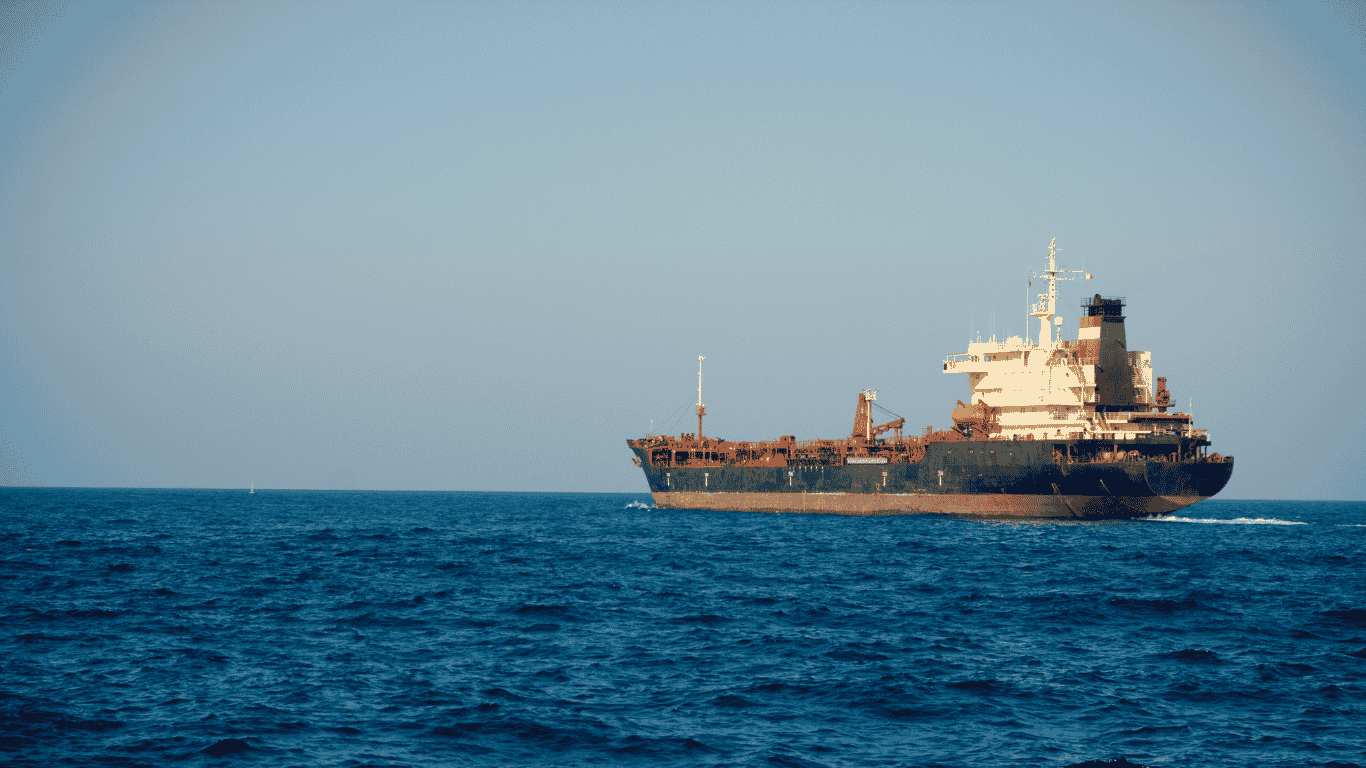
The United States has imposed a new round of sanctions targeting two Iranian companies accused of operating an extortion scheme that forces commercial vessels to pay for safe passage through the Strait of Hormuz. The move is aimed at reducing Tehran’s influence over one of the world’s most strategically important shipping corridors as tensions between Washington and Iran continue to intensify.
According to the U.S. Treasury Department, sanctions announced on July 29 target Persian Gulf Marine Insurance Co. and HormuzSafe Marine Services Authority. U.S. officials allege that both organizations require ships traveling through the Strait of Hormuz to purchase mandatory maritime "insurance" as a condition for safe transit, describing the practice as an unlawful financial scheme designed to generate revenue while tightening Iran’s control over international shipping.
In addition to these measures, the Treasury also sanctioned eight companies linked to Iran’s so-called shadow fleet a network of vessels allegedly used to transport Iranian oil while bypassing international sanctions. U.S. authorities argue that these shipping operations help finance activities connected to Iran’s military and regional influence.
Strait of Hormuz Remains a Critical Global Shipping Route
The Strait of Hormuz remains one of the world's most significant maritime chokepoints, with roughly 20% of global petroleum shipments passing through the narrow waterway each day. Any disruption in the region can immediately affect global oil prices, supply chains, and freight markets across multiple industries.
The United States has repeatedly sought to limit the influence of Iran’s Islamic Revolutionary Guard Corps (IRGC) over the passage. Following the military conflict involving the United States, Israel, and Iran earlier this year, commercial traffic through the strait experienced significant disruptions, contributing to sharp increases in global energy prices and raising concerns throughout the international shipping community.
Stay Informed
Get freight market insights delivered to your inbox
Join industry professionals receiving our weekly analysis.
Iran has continued efforts to strengthen its control over the waterway by requiring vessels to obtain authorization before transiting and by taking enforcement actions against ships that fail to comply. Washington maintains that such actions violate the long-standing international principle of freedom of navigation through international waterways.
U.S. Reaffirms Commitment to Free Navigation
Announcing the sanctions, Treasury Secretary Scott Bessent emphasized that the United States intends to protect global maritime commerce from political coercion.
"The United States will not allow Iran to hold global commerce hostage or use international shipping to finance the IRGC’s terrorism, aggression, and repression."
U.S. officials continue to argue that commercial vessels should be able to transit the Strait of Hormuz without paying unauthorized fees or obtaining permission from Iran, stressing that international shipping lanes must remain open and accessible to all nations.
Diplomatic Efforts Collapse as Military Tensions Rise
The latest sanctions arrive amid renewed diplomatic and military tensions between Washington and Tehran. Efforts to revive negotiations reportedly stalled after a previously signed memorandum of understanding between the two countries broke down earlier this month, leading to another escalation in hostilities.
A short pause in fighting ended on July 28, when both sides resumed military strikes. One day later, President Donald Trump stated that the United States would respond forcefully following an attack targeting a U.S. military installation in Jordan, signaling that the conflict could continue to escalate.
What This Means for the Trucking and Logistics Industry
For the trucking, freight, and logistics industries, instability in the Strait of Hormuz extends well beyond maritime shipping. Rising geopolitical tensions often lead to higher diesel prices, increased fuel surcharges, longer supply chain transit times, and greater transportation costs across North America and global markets.
Motor carriers, freight brokers, and shippers should closely monitor developments in the Middle East, as prolonged disruptions could place additional pressure on operating expenses, freight rates, and inventory planning. If energy prices continue climbing, fleets may face tighter margins while manufacturers and retailers adjust shipping strategies to manage increased transportation costs.
Although the sanctions primarily target maritime operations, their ripple effects could influence the entire global supply chain, making fuel management, route planning, and operational efficiency even more important for trucking companies in the months ahead.