Strike Threat at LA and Long Beach Ports Pushed to November 20 as Contract Talks Continue
Staff
Published November 9, 2026
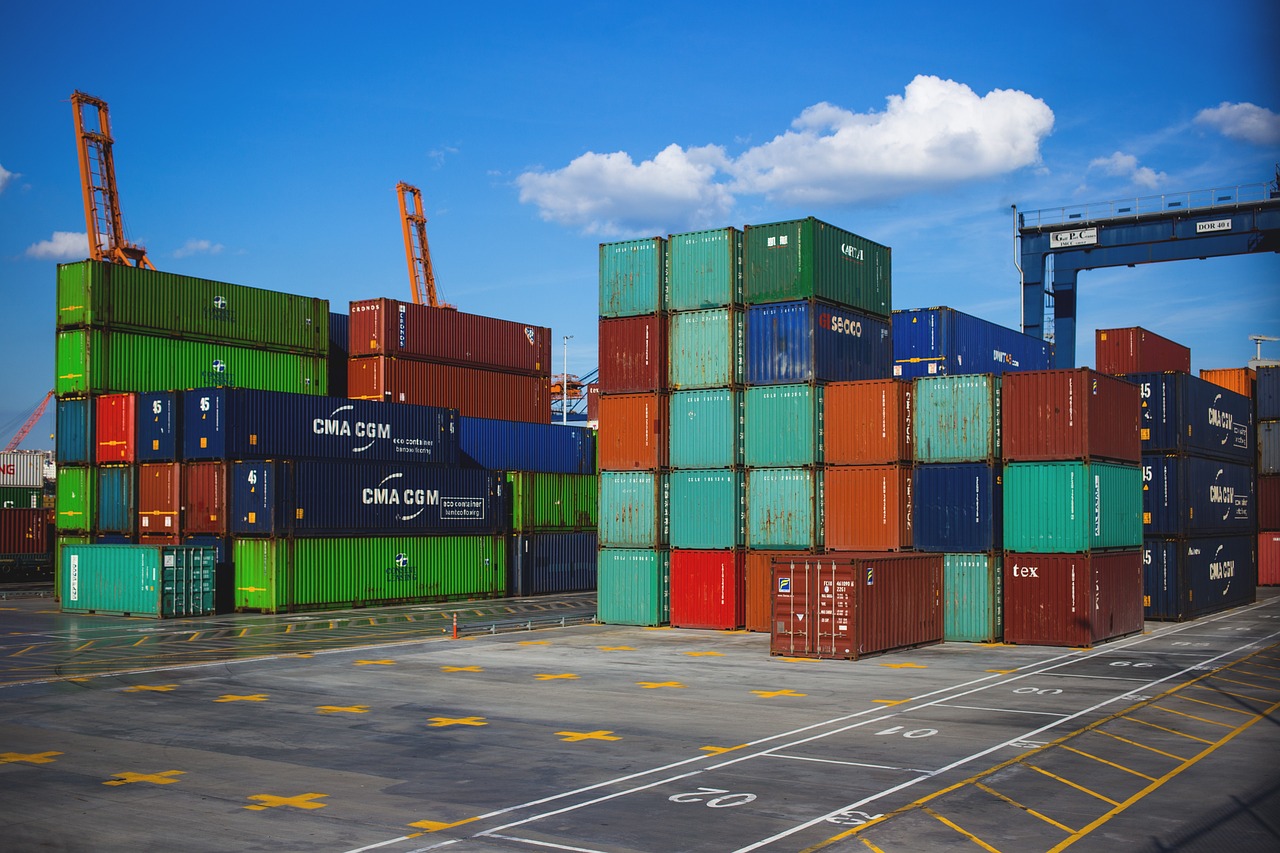

New labor deadline offers temporary relief for trucking and shipping operations, but potential disruptions remain a concern at the nation's busiest port complex
The threat of a potential strike at the Ports of Los Angeles and Long Beach has been postponed until November 20, giving maritime employers and the union representing port security workers additional time to negotiate a new labor agreement. The extension provides temporary relief for the transportation and logistics industry, which is closely watching the negotiations amid strong cargo volumes and growing concerns about possible supply chain disruptions.
The Pacific Maritime Association (PMA), representing marine terminal operators and ocean carriers, and the International Longshore and Warehouse Union (ILWU) Local 26, which represents approximately 250 security watchmen, agreed to extend their negotiating deadline by another two weeks. Both sides will continue discussions in an effort to reach an agreement and avoid a work stoppage.
Although port operations remain active, the possibility of a strike has raised concerns among trucking companies, freight operators, importers, and other businesses that depend on the uninterrupted movement of cargo through Southern California.
Contract Negotiations Continue After Multiple Deadline Extensions
The latest agreement follows several previous extensions as negotiations over a replacement labor contract have continued. The workers' previous agreement expired in July 2025, but employees have remained on the job while both sides worked toward a new deal.
The union initially authorized a strike and established a November 1 deadline. That date was subsequently extended to November 4 and then to midnight on November 6. The latest extension moves the deadline to November 20, allowing negotiators more time to resolve outstanding issues.
Federal mediators have also been involved in the process, assisting both sides as they attempt to reach a mutually acceptable agreement.
The negotiations involve a relatively small workforce compared with the overall number of port employees. However, their responsibilities are important to daily terminal operations, and a strike could have consequences extending well beyond the workers directly involved.
Potential Disruptions Could Affect a Significant Share of Port Cargo
The potential impact of a work stoppage is particularly concerning because of the strategic importance of the two neighboring ports.
According to the Pacific Maritime Association, disruptions at the six container terminals where Local 26 members provide security services could affect approximately 85% of the cargo moving through the Port of Long Beach and about one-third of the cargo handled at the Port of Los Angeles.
Together, the two ports form the largest container-port complex in the United States and handle approximately one-third of the nation's seaborne containerized cargo. They serve as a critical gateway for international trade, connecting imported goods from Asia and other global markets with distribution centers, warehouses, retailers, and manufacturers across the country.
Even a limited interruption could create delays in container handling, truck appointments, cargo availability, and deliveries. For trucking companies, these disruptions could mean longer waiting times, scheduling difficulties, increased operating expenses, and reduced equipment utilization.
The potential consequences are especially significant for businesses operating on tight delivery schedules or relying on consistent freight movement through Southern California.
Stay Informed
Get freight market insights delivered to your inbox
Join industry professionals receiving our weekly analysis.
Bridge Closure Adds Another Challenge for Port-Related Trucking
The labor dispute is unfolding alongside another major transportation challenge: the 16-month closure of the Vincent Thomas Bridge, which began on November 7.
The bridge, located in the San Pedro area, is an important connection between the Port of Los Angeles, Terminal Island, and surrounding highway networks. Its closure is part of a major rehabilitation project involving the replacement of the aging concrete bridge deck and upgrades to other safety features. The project is expected to keep the bridge closed until approximately March 2028.
For trucking companies, the closure means adjusting routes and allowing additional time to reach terminals and nearby facilities. Commercial vehicles will need to use alternative routes, including sections of Interstates 110 and 710, State Route 103, and local roads such as Harry Bridges Boulevard and Henry Ford Avenue.
Transportation officials are implementing traffic-management measures, including improvements to detour roads, additional traffic monitoring, and traffic-control officers at key intersections. However, increased congestion and less predictable travel times remain important concerns for truck drivers and fleet operators serving the port area.
The timing makes the labor negotiations particularly important. While the bridge closure does not stop port operations, a potential labor disruption could create additional pressure on an already challenging transportation environment.
Record Cargo Volumes Increase the Stakes
The possibility of a strike comes at a time when both ports are experiencing exceptionally strong cargo activity.
The Port of Los Angeles handled more than 1.04 million TEUs (twenty-foot equivalent units) in September 2026, marking the busiest month in its 118-year history. It also recorded its strongest-ever quarter, with nearly 3 million TEUs moving through the port between July and September.
The neighboring Port of Long Beach also reported record cargo volumes for September. Shipments have been supported by several demand drivers, including imported retail merchandise ahead of the holiday season, automotive parts, and equipment needed for the expansion of artificial intelligence (AI) data centers.
Port officials expect elevated cargo activity to continue into the beginning of 2027, potentially extending through the first quarter. This means that any interruption could affect a substantial volume of freight moving through the nation's supply chain.
For trucking companies, high cargo volumes create opportunities, but they also increase the importance of reliable port access, efficient dispatching, accurate appointment scheduling, and effective coordination between drivers, terminals, brokers, and customers.
A Separate Labor Dispute From the West Coast Longshore Contract
It is important to distinguish the current negotiations from the broader labor agreement covering longshore workers at West Coast ports.
The Local 26 dispute involves approximately 250 security watchmen working at six container terminals in Los Angeles and Long Beach. Their responsibilities include monitoring terminal access, inspecting the entry of trucks and employees, providing security, and protecting cargo moving through port facilities.
Their contract is separate from the agreement covering more than 22,000 longshore workers at 29 West Coast ports. Those workers reached a six-year labor agreement in 2023, which runs through July 2028.
Although the watchmen represent only a small portion of the port workforce, their role is essential to terminal security and daily operations. A work stoppage could therefore have a much broader impact than the number of employees involved might suggest.
The Pacific Maritime Association has also warned that other dockworkers and marine clerks, who are covered by separate labor agreements, could support Local 26 members if a strike occurs. This possibility adds another layer of uncertainty for port operators and the businesses that depend on them.
What Happens Next?
With the new deadline set for November 20, both sides have another opportunity to reach an agreement without interrupting port operations. The latest extension has postponed the immediate strike threat, but it does not mean the dispute has been resolved.
The negotiations will remain closely watched by the transportation industry, particularly because the two ports play such an important role in international trade and domestic freight distribution.
For trucking companies, the situation highlights how labor negotiations, infrastructure projects, and rising cargo volumes can combine to create significant operational challenges. Even a temporary disruption at a major port can affect delivery schedules, equipment availability, transportation costs, and the movement of goods across the country.
Until a new contract is reached, carriers, freight brokers, and logistics providers should closely monitor developments, maintain communication with terminal operators, and prepare for possible changes to pickup and delivery schedules.
For an industry that depends on consistent freight movement, avoiding another port disruption will be essential to keeping supply chains running smoothly as the year approaches its end.