Roadcheck 2026 Is Approaching: Are Your Compliance Gaps About to Cost You Thousands?
Staff
Published April 30, 2026

A Critical 72-Hour Inspection Window Is Near
From May 12 to 14, inspectors across North America will launch the CVSA International Roadcheck 2026, a high-intensity, three-day enforcement initiative targeting commercial vehicles and drivers. During this period, thousands of roadside inspections will take place, focusing on vehicle condition, driver compliance, and cargo safety.
At the center of these inspections is the North American Standard Level I Inspection a comprehensive, 37-step process designed to evaluate both the driver’s qualifications and the mechanical integrity of the vehicle. This is not a surprise event; it is a long standing, publicly announced program that has shaped industry compliance standards for decades.
2026 Focus Areas: ELD Integrity and Cargo Securement
This year, enforcement attention is directed toward two critical areas: ELD tampering and falsification, and proper cargo securement. These are not new concerns, they are ongoing compliance requirements that should already be embedded within your daily operations.
If your team is rushing to prepare now, that urgency may point to deeper operational weaknesses. Last-minute fixes don’t solve systemic issues they expose them.
The Data Speaks: Persistent Compliance Failures
Year after year, inspection data reveals the same troubling patterns. A significant percentage of vehicles inspected during Roadcheck are placed out of service (OOS) due to violations that could have been prevented with proper maintenance and oversight.
One issue consistently dominates: brake system violations. Despite changing annual focus areas, brake-related defects remain one of the leading causes of vehicles being sidelined. This ongoing trend highlights a critical gap in preventive maintenance programs across the industry.
The takeaway is clear while enforcement priorities may shift, core mechanical safety issues remain constant, and they continue to put fleets at risk.
A $77,000 Lesson: When Compliance Systems Fail
Consider a real-world case that underscores the cost of ineffective processes.
A driver identified a brake defect during a routine inspection and properly documented it in the Driver Vehicle Inspection Report (DVIR). The issue was reported repeatedly over several weeks, yet the vehicle remained in operation without repair. Dispatch continued assigning loads, despite clear documentation of a safety critical defect.
When regulators audited the carrier, the records told a complete and damaging story. The company was penalized for every single day the vehicle operated with a known, unresolved defect. The result was a $77,000 civil penalty.
This was not a failure of reporting the DVIR worked exactly as intended. The failure occurred in the lack of action and accountability that followed.
Stay Informed
Get freight market insights delivered to your inbox
Join industry professionals receiving our weekly analysis.
Regulatory Reality: Reporting Is Only the Beginning
Under federal safety regulations, drivers are required to document any defects affecting vehicle safety. However, compliance does not end with reporting. Carriers are obligated to ensure that all identified issues are promptly repaired and that vehicles remain in safe operating condition at all times.
A disconnect between reporting and repair creates significant legal and financial exposure. When defects are documented but ignored, companies effectively create a paper trail of liability that can be used against them during audits or litigation.
The DVIR Gap: Where Many Fleets Fall Short
The DVIR is more than a form it is a critical communication tool between drivers and maintenance teams. It provides real-time insight into the actual condition of your fleet.
However, in many operations, this process breaks down. Reports are completed but not acted upon. Defects are logged but not tracked. Vehicles are dispatched despite unresolved safety issues.
When this happens, the DVIR becomes a liability record rather than a safety mechanism.
Modern Solutions: Turning Data Into Action
A truly effective DVIR program in today’s industry goes far beyond paperwork. It requires a digital, integrated workflow that ensures every reported defect is:
Automatically routed to maintenance teams
Assigned ownership and resolution timelines
Visible to dispatch before load assignment
Tracked through to verified repair completion
Modern fleet management platforms enable this level of visibility and control, transforming inspection data into actionable maintenance decisions. Compared to the cost of regulatory penalties or litigation, investing in such systems is a strategic necessity.
Driver Compliance: What Inspectors Will Check
During Roadcheck, inspectors will closely review driver-related requirements, including:
Licensing and qualifications
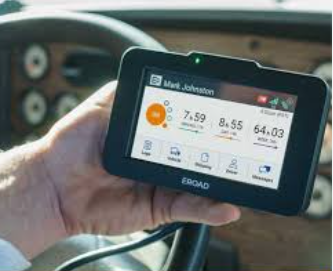
Hours-of-service records and ELD accuracy
Medical certification
Seat belt compliance
Drug and Alcohol Clearinghouse status
Violations related to falsified records and improperly secured cargo continue to rank among the most frequently cited issues, reinforcing the importance of consistent, year round compliance.
Roadcheck-Ready vs. Roadcheck-Reactive
The most successful fleets do not treat Roadcheck as a disruption. They operate with a continuous compliance mindset, ensuring that every vehicle, every driver, and every process meets regulatory standards every day of the year.
These fleets rely on:
Functional pre-trip and post-trip inspections
Responsive maintenance workflows
Real-time communication between departments
Complete and audit-ready documentation
For them, Roadcheck is just another day on the road not a crisis.
With Roadcheck just days away, there is still time to address visible issues review cargo securement practices, inspect brake systems, and ensure drivers understand the risks of ELD violations.
But the larger question remains: Is your operation built to prevent problems, or just react to them?
The difference lies in your systems.
The $77,000 penalty was not caused by a single defect it was the result of a broken process.
The real risk is not what inspectors might find during a three-day event, but what your own records reveal over time.
Because in this industry, compliance isn’t proven by what you document it’s proven by what you fix.