NMFTA Cybersecurity Portal Opens to Help Trucking Industry Fight Cyber Threats
Staff
Published October 5, 2026
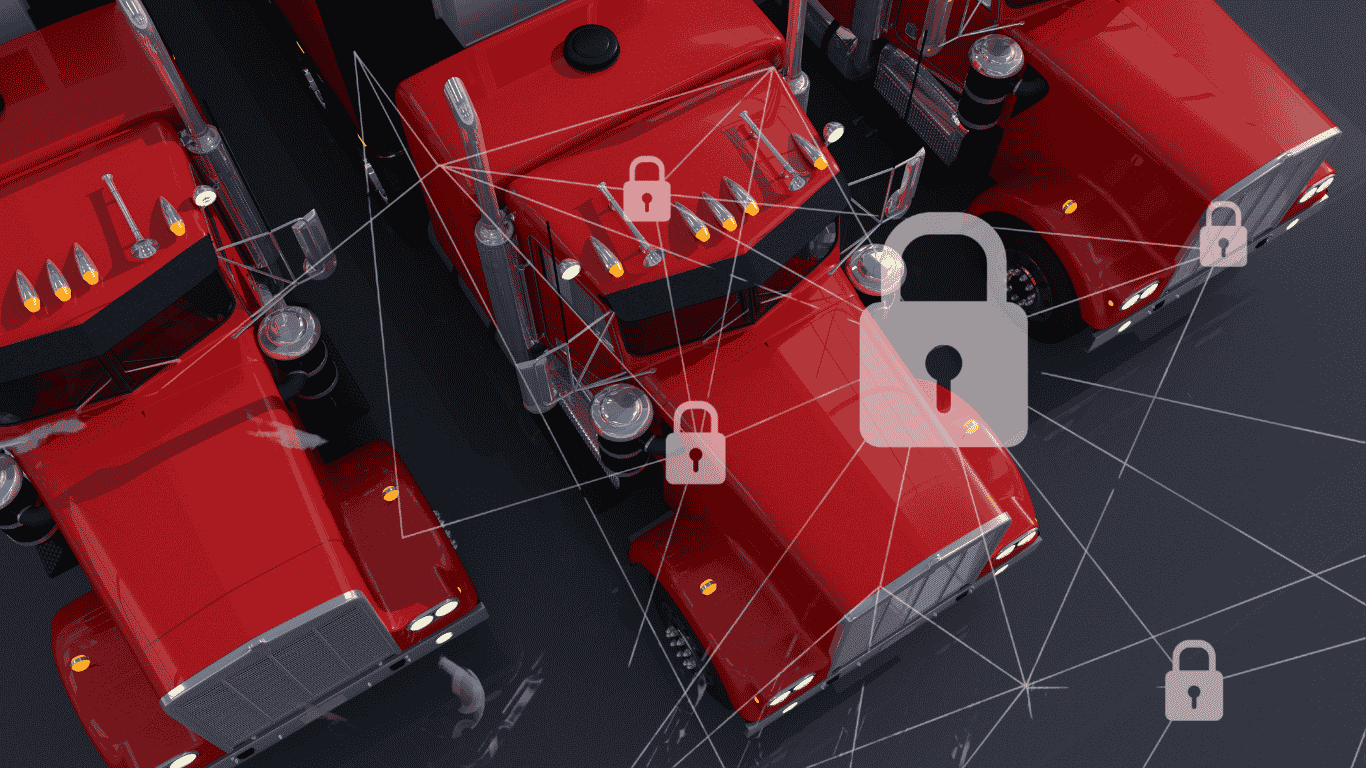

Sharing techniques, incidents and near misses could help trucking companies stay ahead of cybercriminals
Long Beach, California — Cybersecurity experts and trucking industry leaders gathered at the National Motor Freight Traffic Association’s cybersecurity conference with a message that has become increasingly important for the transportation sector: the industry cannot fight cybercrime alone.
Speakers repeatedly emphasized the value of collaboration, information sharing and collective defense as trucking companies face an expanding range of cyber threats. The same message was a major topic at the 2025 NMFTA cybersecurity conference, where industry professionals discussed how criminals can exploit vulnerabilities across carriers, brokers, technology providers and other transportation businesses.
That discussion eventually led to action.
The NMFTA Threat Report Portal was created to give companies a way to share information about cybersecurity incidents, attempted attacks and successful defenses. Most importantly, companies can submit their experiences anonymously, allowing the broader transportation community to learn from what happened without publicly identifying the organization involved.
Ben Wilkens, director of cybersecurity at NMFTA, helped lead the development and launch of the portal in May. After an initial soft launch and testing period, the Threat Report Portal is now fully operational and available to anyone who registers.
Wilkens said NMFTA would like to see the number of reports increase as more trucking companies become comfortable using the system.
Nobody will know your name
Wilkens also emphasized one of the portal’s most important features: anonymity.
The goal is to make it easier for companies to share useful cybersecurity intelligence without worrying that reporting an incident will damage their reputation or expose weaknesses to competitors, customers or the public.
Two important cybersecurity terms help explain the type of information the portal is designed to collect: TTPs, meaning Tactics, Techniques and Procedures, and IOCs, or Indicators of Compromise.
An Indicator of Compromise can include evidence suggesting that a network, computer or other system may have been breached. Depending on the incident, that information could include file hashes, suspicious IP addresses, malicious files, unusual system activity or other technical indicators that cybersecurity teams can use to detect and investigate threats.
For trucking companies, this type of information can be especially valuable because transportation networks are highly interconnected. A carrier may rely on transportation management systems, electronic logging devices, driver mobile applications, payroll platforms, accounting systems, fuel-card providers, customer portals and numerous other connected technologies.
When criminals discover a successful way to attack one organization, they may attempt to use the same method against another.
That is precisely the problem the NMFTA portal is designed to address.
The idea behind the initiative is straightforward: if one carrier encounters a cyberattack, other companies should have an opportunity to learn from it before becoming the next target.
“We see these bad actors, they use a technique on one carrier. If it doesn’t work, they just go to the next carrier and they use the exact same playbook,” Wilkens explained.
By sharing that playbook, companies can potentially recognize suspicious activity sooner, strengthen their defenses and prevent an attack from succeeding elsewhere.
The approach also recognizes that cybersecurity is not limited to responding after a breach. Near misses and unsuccessful attacks can be just as valuable because they can reveal how criminals are testing defenses and what methods they may try again.
The anonymous structure of the portal was designed to address concerns that existed from the beginning of the project.
“One of the concerns we had is that we didn’t want people to feel like they’re kind of exposing themselves to, hey, this happened to our organization,” Wilkens said.
Making reports anonymous was therefore an important part of the portal’s design.
Companies can contribute information to the industry without publicly attaching their name to an incident.
Stay Informed
Get freight market insights delivered to your inbox
Join industry professionals receiving our weekly analysis.
Vetting process before publication
Information submitted to the Threat Report Portal is reviewed by NMFTA before it is published, Wilkens said.
The organization removes identifying details from reports and reviews the information to determine whether the incident is legitimate and whether it provides meaningful value to the cybersecurity community.
Ben Wilkens of the NMFTA

“We will anonymize them,” Wilkens said. “We strip out all the identifying information. And then as soon as we’ve vetted the incident, we share it out with the entire community.”
The process is designed to function somewhat like crowdsourcing cybersecurity intelligence, allowing information gathered from one organization to benefit many others.
However, reports are not automatically distributed.
Incidents submitted through the portal are reviewed by an NMFTA cybersecurity team member before being made available to the broader community. The review process can sometimes take only an hour, while more complicated incidents may require additional time.
“We make sure that this informs the community in some meaningful way, and then once we go through those processes, then we can publish,” Wilkens said.
Reports from organizations that NMFTA already knows and has an established relationship with may move through the process more quickly because the association already has confidence in the source.
The portal itself grew out of discussions at the 2025 cybersecurity conference. Following those conversations, NMFTA staff began developing the system during the early months of the year.
During the second quarter, the organization conducted a small beta test involving a core group of carriers that had participated in the earlier discussions. That testing period helped identify adjustments and improvements that needed to be made before the system was opened more broadly.
The full portal was subsequently released to the public in May.
Numbers are solid so far
Early participation suggests there is significant interest in the concept.
By early June, approximately 100 organizations had registered for the portal. Wilkens said the participants represented a broad range of companies, including some of the largest shippers and 3PLs, organizations operating both domestically and internationally, as well as smaller carriers.
That diversity is important because cybercriminals do not necessarily target only the largest transportation companies. Small and midsize carriers can also become attractive targets, particularly when they have valuable customer information, financial data or connections to larger supply-chain networks but fewer cybersecurity resources.
Wilkens said the portal is already receiving information on a regular basis, although NMFTA would like to see participation grow.
The challenge is a familiar one across cybersecurity: companies want access to threat intelligence, but they can be more hesitant to share their own experiences.
“Polling people, they want to get the information, but the problem is getting people to share their information back in to the portal,” Wilkens said.
For the moment, the flow of information is described as regular, but NMFTA hopes to increase the number of reports as awareness of the portal grows.
That need for greater participation reflects a larger issue facing the trucking industry. Transportation companies have invested heavily in protecting their own systems, including firewalls, authentication controls, monitoring tools, employee training, backups and other security measures.
But cybersecurity does not stop at the edge of a company's network.
A trucking company can have strong internal defenses and still be affected by a compromised vendor, customer, software provider or business partner. Supply-chain connectivity creates both efficiency and risk, making information sharing increasingly important.
“We all focus on building the walls around our organization to protect ourselves and really understanding the security aspect,” Wilkens said.
But companies also need to understand what is happening outside those walls.
What threats are affecting neighboring carriers? Which phishing techniques are being used? What ransomware tactics are appearing in the transportation sector? Which suspicious indicators have already been identified? And, perhaps just as importantly, which attacks failed and why?
Sharing those lessons could give another company the opportunity to strengthen its defenses before facing the same threat.
Wilkens argued that near misses deserve just as much attention as successful attacks. A technique that fails against one carrier because the company has strong protections in place could still succeed against another organization with fewer defenses.
That makes the NMFTA portal more than simply a database of cybersecurity incidents. Its broader goal is to create a shared intelligence network for the transportation industry, where companies can learn from each other and turn individual experiences into collective protection.
As trucking becomes increasingly dependent on connected technology, cybersecurity is becoming an operational issue, not simply an IT issue. Dispatch systems, financial platforms, driver applications, telematics, electronic records and digital communication are now deeply integrated into daily transportation operations.
The more connected the industry becomes, the more important it may be for carriers, brokers, shippers and technology providers to share information about emerging threats.
For NMFTA, the message is clear: the best defense may not be simply building a stronger wall around one company, but helping the entire industry recognize the threats coming toward it.