Midterm Elections Could Reshape Transportation Policy and Trucking Regulations
Staff
Published October 28, 2026
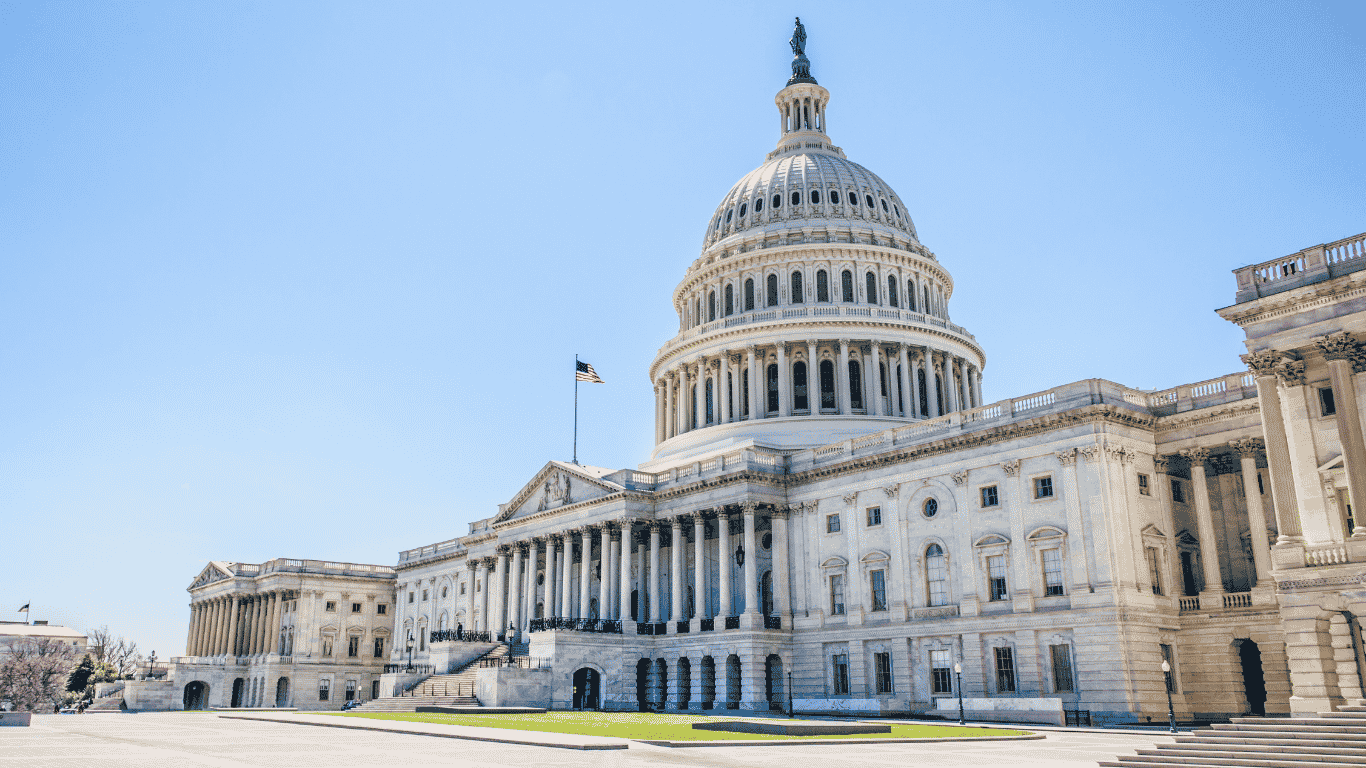

Key congressional races could influence highway funding, legal reform, driver regulations and federal transportation oversight.
As Democrats are projected to gain control of at least one chamber of Congress, the upcoming midterm elections could bring significant changes to U.S. transportation policy and the trucking industry.
With Election Day approaching on November 3, candidates are making their final appeals to voters. The outcome of these races could reshape the balance of power in Washington and determine how transportation-related legislation moves forward next year. Election analysts consider a Democratic takeover of the House a strong possibility, while control of the Senate also remains uncertain.
For the trucking industry, the stakes extend well beyond party politics. The election results could influence highway infrastructure funding, commercial driver licensing, English-language requirements, commercial driving school oversight, lawsuit abuse and efforts to combat transportation fraud.
Several important proposals could still advance during the current Congress's final legislative session. However, if lawmakers fail to reach agreements before the new Congress takes office, these measures may face a different political environment, new committee leadership and competing legislative priorities.
Lawmakers Expected to Retain Their Seats
Despite the possibility of a broader political shift, many lawmakers involved in transportation policy are expected to win re-election, according to election forecasts.
Several Republican members serving on influential transportation and infrastructure committees face relatively favorable races. These include lawmakers overseeing highway and transit policy, transportation appropriations and infrastructure-related spending. Republican senators serving on committees responsible for environmental policy, public works and federal funding are also considered likely to retain their seats.
Other Republican representatives who have supported trucking-related legislation are expected to remain in Congress as well. Their continued presence could help maintain support for measures addressing transportation safety, commercial vehicle regulations, cargo theft and highway investment.
However, a significant leadership change is already approaching. The current Republican chairman of the House Transportation and Infrastructure Committee is retiring, and his district is expected to remain under Republican control. The next committee leader could play an important role in determining which transportation bills receive attention and how quickly they advance.
Democrats serving on the same committee are also well positioned to win re-election in several districts. Members involved in highway policy, infrastructure investment and transportation oversight are expected to retain their influence.
One senior Democratic committee member could become chairman if the party wins control of the House. This leadership change could affect the direction of major transportation legislation, including proposals intended to modernize America's roads, bridges and broader transportation network.
For trucking companies, the implications are substantial. Committee leadership helps determine which bills receive hearings, how infrastructure funding is allocated and whether proposed regulatory changes gain momentum. Even when individual lawmakers remain in office, a change in party control can alter the industry's legislative priorities.
Competitive House Races Could Change the Policy Landscape
The House of Representatives is expected to experience some of the most consequential changes following the midterm elections. Several lawmakers involved in transportation policy and federal spending are facing highly competitive races, making their seats particularly important to the trucking industry.
Some Republican representatives serving on appropriations and transportation committees are in districts where the election outcome remains uncertain. These lawmakers have participated in efforts to strengthen cargo theft enforcement, improve data collection and support legislation affecting transportation operations.
Cargo Theft and Transportation Security
Cargo theft continues to create financial and operational challenges for trucking companies, freight brokers, shippers and insurers. Criminal groups increasingly use sophisticated methods, including fraudulent carrier identities and deceptive load arrangements, to obtain valuable shipments.
Federal legislation addressing organized retail crime and cargo theft could help strengthen investigative coordination and improve the government's ability to respond to these threats. Continued congressional support for cargo theft prevention, freight fraud enforcement and information sharing will remain important to protecting supply chains.
Workforce Development and Veteran Recruitment
Other lawmakers facing competitive races have supported proposals designed to help military veterans transition into civilian careers in transportation and logistics.
One such measure would establish a federal action plan to make it easier for veterans to enter supply chain occupations. The legislation has passed the House but still requires Senate approval.
For trucking companies struggling with workforce development and recruitment, initiatives that connect qualified veterans with transportation careers could provide an additional source of talent. Veterans may bring valuable experience in logistics, equipment operation, planning and safety, although additional commercial driving qualifications may still be required.
Highway Infrastructure and Long-Term Funding
Some of the lawmakers facing uncertain re-election prospects have also supported a major surface transportation funding proposal intended to address America's infrastructure needs.
The legislation would provide a framework for investment in aging bridges, deteriorating roads and other transportation facilities while supporting improvements to public transportation and alternative travel infrastructure.
The House Transportation and Infrastructure Committee approved the proposal by an overwhelming bipartisan vote of 62-2 in May, demonstrating broad support for advancing the measure.
For the trucking industry, long-term infrastructure investment is closely tied to operating efficiency. Poor road conditions, congested freight corridors, inadequate truck parking and aging bridges can increase travel times, fuel consumption, maintenance costs and safety risks.
Stay Informed
Get freight market insights delivered to your inbox
Join industry professionals receiving our weekly analysis.
Reliable infrastructure funding is essential to keeping freight moving efficiently and reducing unnecessary costs throughout the supply chain. However, the proposal's future will depend on congressional negotiations, available funding and the priorities of the next administration and legislative leadership.
Bipartisan Support Could Keep Key Bills Moving
Potential election losses among lawmakers who have supported trucking-related legislation could slow progress on some proposals. Nevertheless, several initiatives have attracted support from both Republicans and Democrats, improving their chances of remaining relevant even if control of Congress changes.
Bipartisan efforts include measures targeting cargo theft, fraudulent insurance claims and so-called chameleon carriers, trucking businesses that attempt to evade enforcement actions or financial liabilities by reopening under new identities.
Legislation addressing fraudulent accident claims could also be significant for motor carriers facing rising insurance premiums, costly litigation and legal uncertainty.
These issues affect businesses across the trucking sector, regardless of fleet size or political affiliation. Stronger enforcement, more transparent carrier information and consistent federal standards could help legitimate operators compete while reducing opportunities for fraud.
Even so, bipartisan backing does not guarantee passage. Bills must still move through the legislative process, secure sufficient support in both chambers and overcome disagreements about implementation, funding and enforcement.
Democratic Losses Could Also Affect Transportation Priorities
Republicans are not the only party facing competitive contests. Some Democratic representatives who have supported bipartisan transportation measures are also at risk of losing their seats.
Among the proposals they have backed are efforts to strengthen oversight of chameleon carriers and improve the integrity of the trucking industry.
If these lawmakers are defeated, the next Congress could lose some of the bipartisan relationships that helped advance transportation legislation. At the same time, other lawmakers may take up the same issues, depending on their policy priorities.
The result could be a shift in how transportation legislation is negotiated, even when the underlying problems remain unchanged.
Competitive Senate Races Could Influence Transportation Policy
Several Republican senators with important roles in transportation, infrastructure funding and regulatory oversight are also facing difficult re-election campaigns.
Some serve on the Senate Appropriations Committee, which plays a central role in determining federal spending levels. Others sit on committees overseeing transportation, commerce, environmental policy and related regulatory matters.
Their election outcomes could affect the industry's ability to secure funding and advance legislation.
One transportation-related issue involves English-language requirements for commercial drivers. Proposed legislation would require commercial driver's license examinations and renewals to be conducted exclusively in English. If enacted, such a measure could affect licensing procedures, compliance requirements and the pool of drivers eligible to operate commercial vehicles.
Another area of debate concerns federal funding and regulations that influence truck driver scheduling. Changes to these rules could affect how carriers plan operations, manage driver availability and maintain compliance with applicable safety requirements.
Environmental regulations are also important to trucking businesses, particularly in states experiencing severe winter weather. Proposed changes to emissions rules would seek to address concerns about engine shutdowns and equipment performance in cold conditions.
For fleets operating across multiple states, changes to federal emissions standards can influence equipment purchasing decisions, maintenance planning and compliance costs. Consistent and practical regulations are particularly important for carriers that must operate under different regional conditions.
The Senate's role in confirming legislation, approving spending and overseeing federal agencies means that even a small number of changed seats could influence the progress of trucking-related proposals.
Close Senate Races Could Bring New Voices to Transportation Policy
The Senate races also include several candidates with previous experience in the House of Representatives and a history of involvement in trucking-related legislation.
One Republican House member with experience in the trucking business is seeking a Senate seat against the incumbent Democratic senator. Both candidates have made transportation and trucking issues part of their campaigns, highlighting concerns such as industry costs and the challenges facing truck drivers and carriers.
The race illustrates how fuel prices, freight transportation and the economic pressures facing trucking companies can become part of broader election debates. Diesel expenses remain a major operating cost for many fleets, influencing freight rates, profitability and decisions about equipment and routes.
Another Republican candidate running for the Senate has supported a proposal to change the tax treatment of income received by third-party organizations that finance lawsuits. The measure reflects a broader effort to address litigation practices that some trucking industry groups believe contribute to higher legal costs and insurance premiums.
The candidate is seeking to fill a Senate vacancy following the departure of the previous officeholder to take a federal government position. The opposing candidate has a professional background outside elected politics, and the contest is not considered as competitive as some other Senate races involving lawmakers with transportation policy experience.
A separate competitive race features a Republican House member known for supporting legislation aimed at limiting lawsuit abuse. The candidate is seeking a Senate seat against a state-level Democratic lawmaker. The contest is considered closely contested, and the House race to fill the departing representative's seat is also competitive.
These races matter because lawmakers who move from the House to the Senate can bring established policy priorities, legislative experience and relationships with industry stakeholders. However, their ability to advance particular measures will depend on the balance of power, committee assignments and support from colleagues.
Other House seats being vacated by candidates running for the Senate are considered more likely to remain Republican, suggesting that some areas of transportation policy could retain continuity even as individual lawmakers change roles.
What the Election Results Could Mean for Trucking
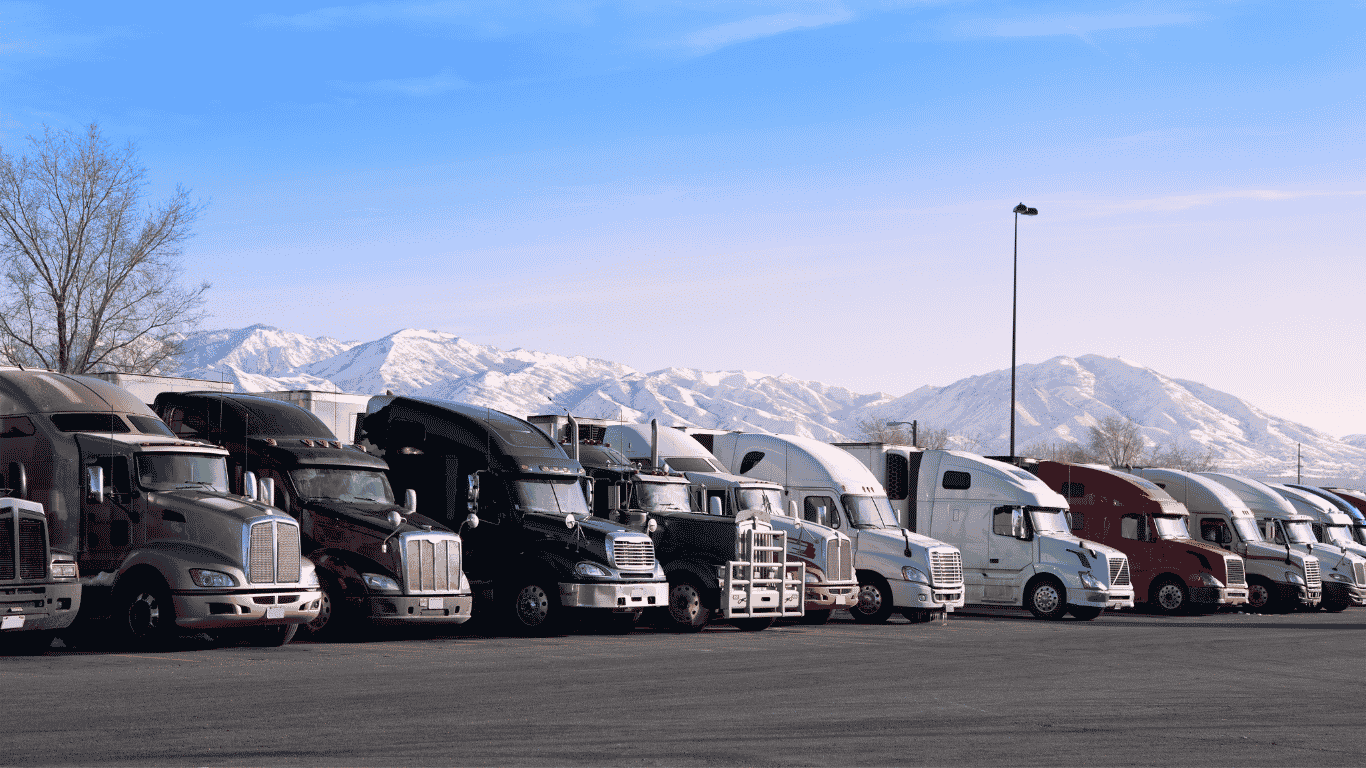
Regardless of whether Democrats win control of the House, the Senate or both chambers, opportunities for bipartisan cooperation may remain on several important transportation issues.
Highway infrastructure funding will be a major concern as lawmakers consider how to maintain roads and bridges, improve freight corridors and address the long-term needs of the national transportation network.
Fraud prevention and carrier oversight are also likely to remain priorities. Stronger measures against cargo theft, fraudulent insurance claims and chameleon carriers could help protect legitimate trucking businesses and improve accountability across the industry.
Driver licensing and workforce development will continue to shape the operating environment for motor carriers. Changes to English-language requirements, commercial driving school oversight and programs supporting veterans entering the industry could influence recruitment, compliance and driver availability.
Meanwhile, lawsuit reform and insurance costs remain central concerns for trucking companies dealing with rising expenses and legal uncertainty. The direction of future legislation could affect how businesses manage risk, evaluate insurance coverage and plan for long-term growth.
The election results alone will not determine the outcome of these proposals. Legislation must still gain sufficient support, move through committee review and pass the required stages of the congressional process. Funding constraints, competing political priorities and disagreements over regulatory details could all affect the final outcome.
For trucking companies, the most important developments will emerge as the new Congress organizes its leadership, assigns committee responsibilities and establishes its legislative agenda.
The midterm elections could influence the rules, funding and enforcement priorities that shape the trucking industry for years to come. Until the results are final and the next Congress begins its work, carriers should monitor developments closely while preparing for potential changes in transportation policy, regulatory compliance and infrastructure investment.