Fruehauf Seeks to Add Parts Manufacturers to Trailer Fire Lawsuit
Staff
Published September 4, 2026
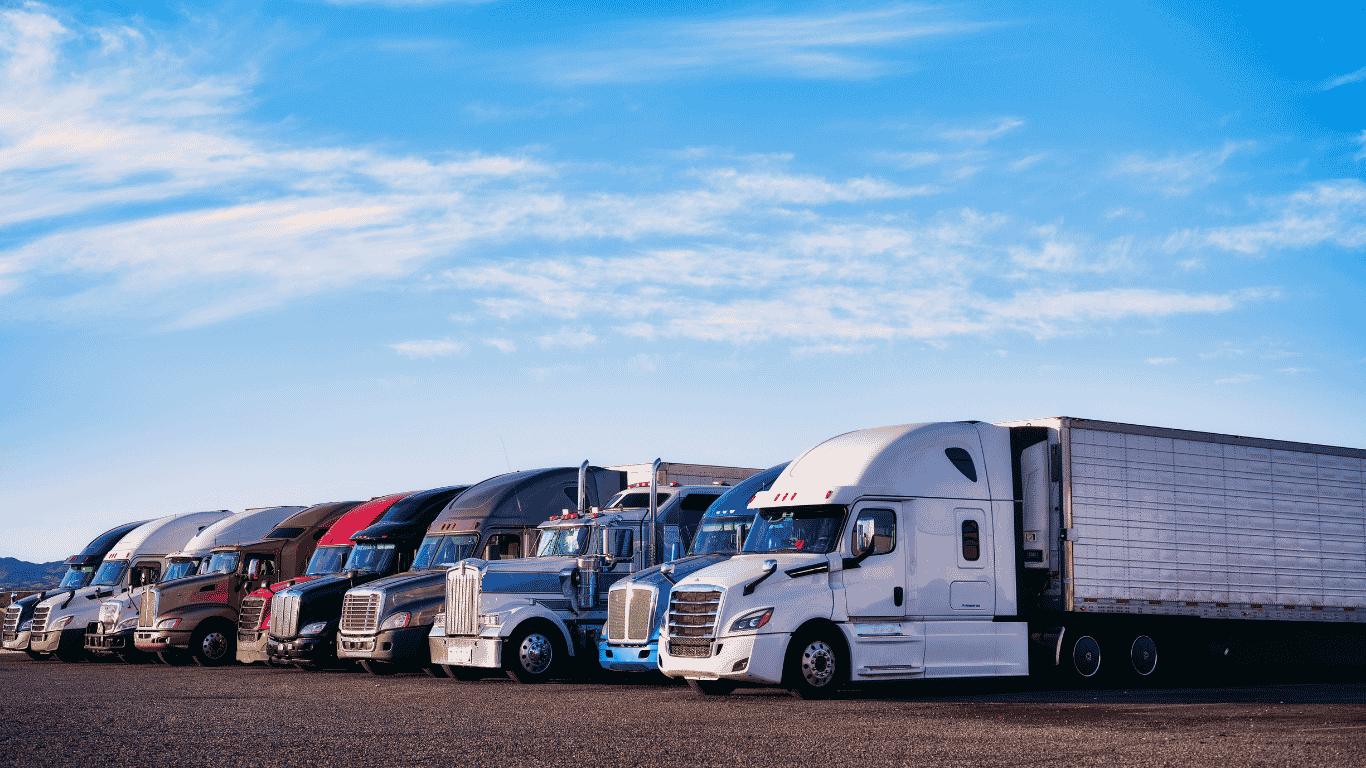
Carrier Summitt Trucking claims defective trailers experienced repeated brake problems and fires
A legal dispute over allegedly defective trailers that reportedly experienced serious braking problems and multiple fires is expanding, with trailer manufacturer Fruehauf seeking to bring several component manufacturers into the case.
The lawsuit, filed by Indiana-based Summitt Leasing and Summitt Trucking, centers on trailers that the carrier says developed significant mechanical and safety issues, including unintended brake engagement, excessive wheel-end temperatures, unusually high maintenance costs and repeated fires.
Fruehauf has now asked the court to add several companies that manufactured or supplied components installed on the trailers, potentially broadening a case that already involves multiple participants in the trailer supply chain.
A Growing List of Defendants
The dispute between Summitt Leasing, Summitt Trucking and Fruehauf was initially filed in the U.S. District Court for the Western District of Kentucky late last year, followed by an amended complaint.
Summitt operates both as a motor carrier and trailer leasing provider, making the reliability and safety of its trailer fleet particularly important to its operations.
Fruehauf recently moved to file a third-party complaint naming SAF-Holland Inc., Bendix Commercial Vehicle Systems LLC and Hoosier Trailer Acquisition Corp. as additional defendants.
According to the filings, SAF-Holland and Bendix manufactured components installed on the trailers that Summitt alleges experienced failures and contributed to the reported problems.
Hoosier Trailer Acquisition played a different role. The company was the trailer dealer that supplied the Fruehauf-built trailers to Pace Transportation Services, which subsequently provided them to Summitt.
Pace was already named as a defendant in the original lawsuit alongside Fruehauf.
Lexington Insurance Company, which has an insurance relationship with Fruehauf, is also participating in the case as an intervening plaintiff.
Fruehauf argues that it should not be held solely responsible for alleged defects involving components it did not manufacture. In its motion, the company maintains that it installed component parts produced by other manufacturers and therefore believes any responsibility for defective components should extend to the companies that manufactured or sold them.
Fruehauf also claims it had a direct contractual relationship with Hoosier and communicated component changes to the dealer.
Hoosier subsequently sold the trailers to Pace, which operates a trailer sales and service business and counts Summitt among its customers.
If the court allows Fruehauf's request, the lawsuit could become a much broader dispute involving trailer manufacturers, component suppliers, dealers and other parties across the commercial vehicle supply chain.
The move also underscores how complicated liability can become when a safety-related failure involves multiple integrated systems rather than a single defective part.
How the Dispute Began
The events leading to the lawsuit date back to September 2022, when Summitt agreed to purchase 100 trailers from Fruehauf.
According to Summitt's complaint, the carrier was sufficiently interested in the trailers that it joined a waiting list instead of purchasing comparable equipment from another manufacturer.
Summitt says it purchased the trailers based on Fruehauf's representations regarding lower operating costs, improved fuel efficiency and overall performance. The company also had previous experience with Fruehauf trailers.
According to the lawsuit, Fruehauf was responsible for engineering, designing and assembling the trailers, including their air and braking systems.
The trailers were expected to include specific components from several established suppliers. Among them were a Hendrickson 40K suspension system and a Tiremaax Pro tire inflation system.
However, Summitt alleges that the delivered trailers instead contained substitute components manufactured by SAF-Holland and Bendix.
Stay Informed
Get freight market insights delivered to your inbox
Join industry professionals receiving our weekly analysis.
The carrier also expected the trailers to use a Wabco ABS system.
Soon after entering service, Summitt says the trailers began experiencing serious operational problems.
According to the complaint, the brakes could engage without driver input, fuel and operating efficiency deteriorated, and the wheel ends reached potentially dangerous temperatures.
The carrier also reported what it described as unusually high brake and tire maintenance costs.
The consequences went beyond higher operating expenses.
In September 2023, a trailer transporting a customer's freight reportedly caught fire.
Summitt says that incident was followed by recurring problems involving the unintended activation of the trailer braking system while the equipment was in motion.
Such failures can create significant safety concerns because excessive brake application can generate heat, accelerate component wear and potentially contribute to wheel-end overheating or fire risks.
A Dispute Over Responsibility
As the problems continued, Summitt says it entered discussions with Fruehauf in an effort to identify the cause and find a permanent solution.
According to the lawsuit, however, the discussions produced limited results, with Fruehauf allegedly pointing to other parties, including SAF-Holland, Bendix and Summitt itself as potential sources of the problems.
Inspections conducted by companies involved in the trailer supply chain reportedly found components showing different levels of wear and deterioration.
The central question, however, appears to be not simply whether components deteriorated, but why they deteriorated and whether they were installed or integrated correctly.
That distinction could become critical as the litigation develops.
Summitt's original lawsuit did not accuse SAF-Holland or Bendix of supplying defective products, and the two component manufacturers were not initially named as defendants.
Instead, it is Fruehauf that is now seeking to bring the component manufacturers into the litigation.
One important piece of evidence cited by Summitt is a report from outside engineering and consulting firm Wolf Technical Services.
According to the carrier's complaint, the report concluded that, based on the available evidence, Fruehauf had integrated a Bendix R-12P pilot relay valve into the trailer's pneumatic brake circuit in a manner that was inconsistent with Bendix's installation recommendations.
Summitt also maintains that it was not experiencing comparable problems with its other trailers, despite allegations that the carrier itself contributed to the failures.
By late 2024, Summitt claims, Fruehauf had acknowledged that the trailers it sold were defective, although the carrier alleges that the manufacturer stopped short of accepting full responsibility.
The allegations remain disputed, and the court has yet to determine ultimate liability.
More Than 20 Fires Reported
Following instructions from Fruehauf, Summitt says it began carrying out repairs using parts supplied by Fruehauf.
The carrier claims it performed the work but was not reimbursed by Fruehauf for the associated repair costs.
More importantly, according to Summitt's complaint, the repairs did not eliminate the problem.
The lawsuit alleges that more than 20 trailer fires occurred, including at least two additional fires after the repair program had already begun.
Repair efforts have continued, but Summitt argues that the trailers still lack a reliable, permanent fix.
The carrier says it continues to face financial losses, maintenance expenses and potential liability associated with operating the affected equipment.
Summitt also argues that the issue extends well beyond the cost of repairing trailers.
According to the lawsuit, the condition of the equipment presents potential risks to cargo, professional drivers and other motorists sharing the road.
For fleets, trailer safety is particularly important because braking, suspension, wheel-end, tire and electrical systems must work together reliably under demanding operating conditions.
A recurring component failure can also create downtime, roadside breakdowns, emergency repairs, cargo delays and increased insurance exposure costs that can quickly accumulate across a large fleet.
The court will ultimately have to determine how responsibility should be allocated among the companies involved and whether the alleged failures resulted from defective components, installation practices, system integration, maintenance or another factor.
Fruehauf's Return to U.S. Manufacturing
The case also involves an interesting chapter in the history of Fruehauf, a long-established name in the trailer industry.
The original Fruehauf company entered bankruptcy during the 1990s, after which its U.S. assets were acquired by Wabash National.
The Fruehauf brand continued internationally, eventually returning to U.S. trailer manufacturing.
In 2022, the company resumed U.S. manufacturing operations in Bowling Green, Kentucky, marking a significant return to the American trailer market.
The ongoing lawsuit therefore comes at a notable time for the manufacturer as it continues rebuilding its presence in the U.S. commercial trailer industry.
For the trucking sector, the case highlights a broader issue: modern trailers depend on increasingly complex networks of braking, suspension, tire inflation, ABS and pneumatic components, often supplied by different manufacturers and integrated by the trailer builder.
When something goes wrong, determining the exact source of a failure can be just as complicated as repairing it.
As the court considers Fruehauf's request to add additional defendants, the case could ultimately provide a closer look at manufacturer responsibility, component integration, quality control and safety obligations throughout the commercial trailer supply chain.