FMCSA Chief Derek Barrs Pushes for Stronger Enforcement and Industry Cooperation at ATA Mid-Year
Staff
Published May 21, 2026
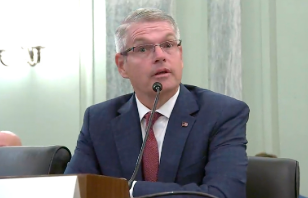
HOLLYWOOD, Fla. — Federal regulators are intensifying efforts to improve highway safety, strengthen oversight, and remove unsafe operators from the trucking industry, according to remarks delivered by Derek Barrs during the ATA Mid-Year Management Session hosted by the American Trucking Associations.
Speaking before trucking executives and industry leaders on May 20, Barrs emphasized that meaningful progress in transportation safety depends on close cooperation between regulators and responsible carriers. He noted that compliant fleets and professional drivers remain essential partners in identifying risks, improving accountability, and helping authorities target operators who threaten the integrity of the industry.
Barrs stressed that the mission of the Federal Motor Carrier Safety Administration goes far beyond regulation alone, describing safety as a shared responsibility that impacts every company, driver, and family traveling America’s highways.
“We cannot accomplish what we need to do without strong partnerships like the one in this room,” Barrs said.
Focus on Removing Unsafe Drivers and Carriers
A major theme of Barrs’ address centered on the agency’s expanded enforcement efforts against unsafe trucking operations. According to the FMCSA administrator, more than 20,000 drivers have already been placed out of service as regulators continue increasing roadside inspections, compliance reviews, and investigations.
Barrs made clear that the agency’s enforcement push is designed to protect legitimate carriers rather than burden compliant businesses. He emphasized that stronger enforcement creates a more level playing field for fleets that invest in safety, training, maintenance, and regulatory compliance.
The FMCSA has recently increased scrutiny on fraudulent operating practices, including improper licensing activity, manipulated registration records, and violations involving driver qualification standards. Industry experts say these efforts are becoming increasingly important as freight markets remain competitive and pressure grows on carriers to maintain profitability while complying with federal regulations.
Stay Informed
Get freight market insights delivered to your inbox
Join industry professionals receiving our weekly analysis.
Crackdown on Fraudulent Training and Licensing Practices
Another key issue highlighted during the session was fraud within commercial driver training and licensing systems. Barrs noted that regulators are actively investigating weaknesses in the process and removing noncompliant training providers that fail to meet federal standards.
The agency has intensified oversight of Entry-Level Driver Training programs in recent years, particularly as concerns continue to rise about improperly trained drivers entering the workforce. Safety advocates and industry organizations alike have argued that stronger verification systems are necessary to ensure new CDL holders possess the skills required to safely operate commercial vehicles.
Barrs indicated that the FMCSA is focused on developing long-term solutions rather than temporary fixes.
“We are not interested in band-aids. We want long-term solutions to fundamental problems,” he said.
Industry analysts believe these efforts could eventually lead to tighter digital verification requirements, expanded auditing procedures, and stronger coordination between state licensing agencies and federal regulators.
FMCSA Modernization Efforts Continue
Barrs also outlined ongoing modernization initiatives within the FMCSA aimed at improving efficiency, strengthening oversight capabilities, and reducing opportunities for fraud.
The agency is currently working to upgrade registration and data management systems in order to identify high-risk carriers more quickly and improve communication between federal and state enforcement agencies. Enhanced data integration is expected to help investigators detect suspicious activity earlier, including repeated violations, false registrations, and unsafe operating patterns.
Technology modernization has become a major priority for regulators as the trucking industry continues adapting to electronic compliance systems, digital records, and evolving cybersecurity risks. Improved data-sharing tools may also help reduce administrative delays while giving enforcement personnel better visibility into carrier safety histories.
Barrs acknowledged that regulators must move faster in adapting outdated systems to modern industry challenges.
Increased Pressure on ‘Chameleon Carriers’
Among the most serious concerns discussed during the event was the ongoing issue of so-called “chameleon carriers” companies that attempt to avoid penalties or shutdown orders by reopening under new names and operating authorities.
Barrs said the FMCSA is actively coordinating with federal and state agencies, including the Department of Transportation’s Office of Inspector General, to investigate and prosecute fraudulent carriers attempting to evade enforcement actions.
These operations have long frustrated legitimate trucking businesses because they often continue operating despite safety violations, unpaid penalties, or poor compliance records. Industry groups argue that stronger enforcement against chameleon carriers is critical to protecting both public safety and fair market competition.
“We are going after them,” Barrs stated.
Industry Partnership Remains Critical
Throughout his remarks, Barrs repeatedly emphasized that the trucking industry and regulators must continue working together to improve roadway safety and strengthen public trust in commercial transportation.
He reinforced the idea that supporting trucking does not mean relaxing enforcement standards. Instead, he argued that consistent and fair enforcement protects responsible fleets from being undercut by unsafe or fraudulent operators that ignore regulations.
“Supporting the trucking industry is not about looking the other way,” Barrs said. “It’s about enforcing the rules fairly and going after those who undercut safe, responsible carriers.”
As enforcement initiatives continue expanding, industry stakeholders are expected to play an increasingly active role in reporting suspicious activity, improving compliance practices, and supporting broader safety reforms across the transportation sector.