Diesel Prices Take Center Stage: Will Midterm Election Results Change Anything at the Pump?
Staff
Published November 5, 2026
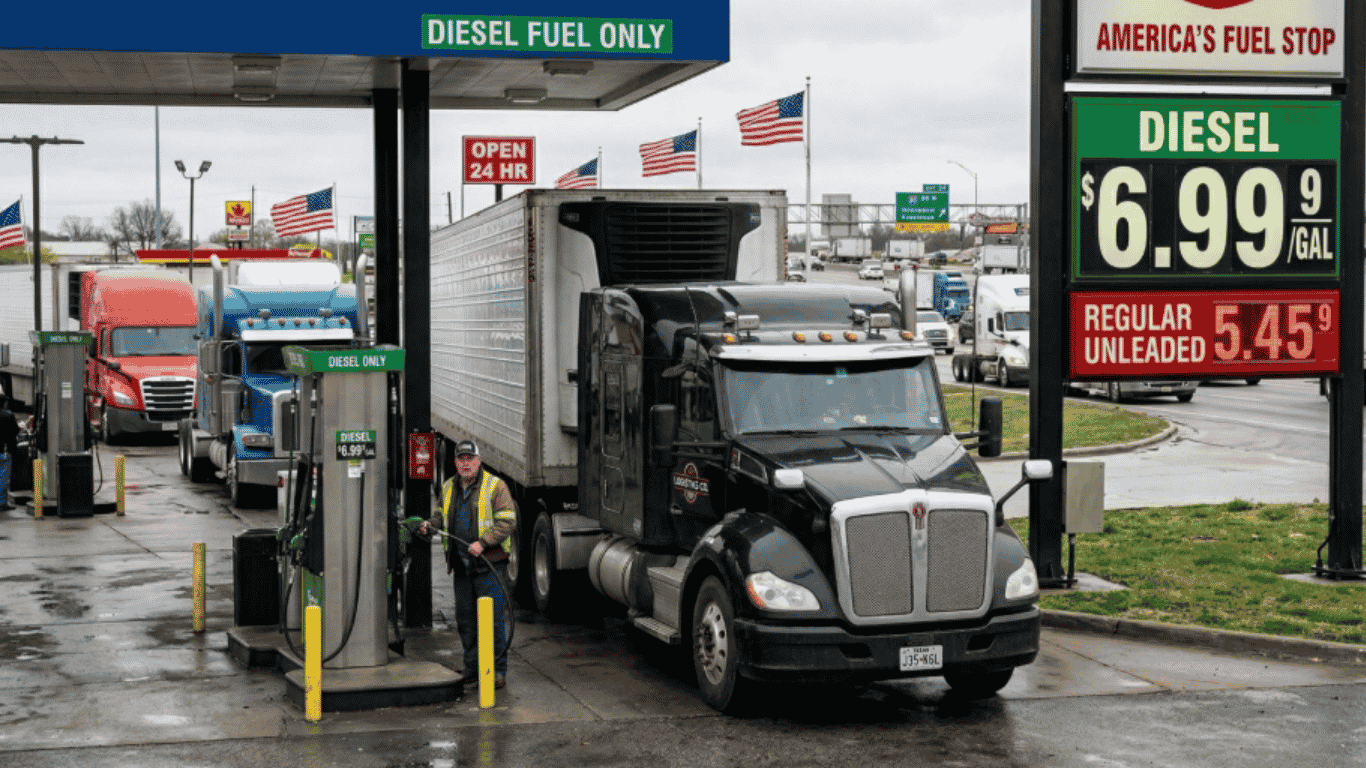

The word "diesel" has rarely received as much attention during election coverage as it did throughout the November 2026 midterm elections.
Following a major Democratic victory that gave the party control of both the House of Representatives and the Senate on Tuesday, Vice President JD Vance pointed to the ongoing war with Iran as one of the reasons Republicans suffered significant losses.
Although several issues contributed to the election outcome, rising fuel costs were impossible to overlook. The conflict, launched by a president who had previously campaigned on avoiding new foreign wars, has placed considerable financial pressure on American households and businesses.
While higher gasoline prices have attracted widespread public attention, diesel prices have climbed even further, creating serious challenges for trucking companies, agricultural operations, and other industries that depend heavily on transportation. As fuel expenses increase, the cost of moving essential goods, including groceries, building materials, and industrial supplies, continues to rise.
Diesel Prices Become a Symbol of Economic Pressure
Diesel has increasingly become a measure of the financial strain facing American businesses and consumers.
On Election Day, the national average price of diesel reached $6.28 per gallon. This marked the highest national average ever recorded on an Election Day in nominal dollar terms.
The issue became a prominent topic during election-night television coverage. Charles Payne, host of Making Money on Fox News, warned that diesel was a major political vulnerability for Republicans, describing it as a problem hanging over the party.
The following day, Florida Governor-elect Byron Donalds also pointed to rising fuel costs, telling Fox & Friends that frustration over gasoline and diesel prices had contributed to voters' dissatisfaction.
The fact that diesel prices became a talking point among politicians and national political commentators, rather than remaining an industry-specific concern, demonstrates how deeply fuel costs affect the broader economy.
For trucking companies, the consequences are especially significant. Diesel is one of the largest operating expenses for many fleets, and prolonged price increases can quickly reduce profit margins, complicate budgeting, and make it more difficult to maintain competitive freight rates. Ultimately, higher transportation costs can reach businesses and consumers across the country.
What Happens Next?
A shift in congressional leadership is unlikely to produce immediate relief at the fuel pump.
The newly elected members of Congress will not officially take office until January, meaning the current political leadership will remain in place for the next several months. More importantly, the fuel crisis extends far beyond the conflict in Iran. It involves a complicated combination of international supply disruptions, refining limitations, and instability across global energy markets.
Although lawmakers can introduce measures to address domestic fuel costs, their ability to resolve a worldwide supply shortage is limited.
The problem is not simply the price of crude oil. Disruptions in global refining operations have become an increasingly important factor, particularly because diesel production depends on the availability and operating capacity of refineries. Meanwhile, U.S. refineries are already running close to their maximum capacity, leaving little flexibility to compensate for shortages elsewhere.
Stay Informed
Get freight market insights delivered to your inbox
Join industry professionals receiving our weekly analysis.
Proposals such as restricting fuel exports or temporarily allowing dyed diesel to be used in on-road vehicles may offer some assistance. However, these approaches are unlikely to provide a lasting solution to the underlying supply problem.
President Donald Trump has repeatedly suggested that fuel prices could decline once the war with Iran comes to an end. However, the current energy challenges are not limited to one region or conflict. Attacks on refineries and other critical energy infrastructure in different parts of the world have further disrupted the production and distribution of refined fuels, with diesel supplies particularly affected.
Even if the fighting stops, a return to normal market conditions would not happen immediately. Damaged energy infrastructure would still need repairs, disrupted refining operations would need to recover, and global fuel distribution networks would require time to stabilize. The U.S. Strategic Petroleum Reserve would also need attention after supplies used during the crisis are accounted for.
Oil market analyst Tom Kloza has repeatedly emphasized that diesel prices, rather than crude oil alone, are the key indicator to watch. With American refineries operating near capacity, there is limited room to increase domestic production and replace supplies lost through international disruptions.
Other proposed relief measures, including restrictions on diesel exports and temporary authorization for using dyed diesel on public roads, also have significant limitations. While they might provide short-term assistance in certain circumstances, they cannot address the broader challenges affecting global refining capacity and fuel availability.
For the trucking industry, this means that fuel price relief will depend on more than political decisions. A meaningful improvement will require stronger supply conditions, restored refining capacity, and greater stability throughout the global energy market.
The War Remains the Biggest Unknown
One of the greatest uncertainties surrounding the fuel crisis is the duration of the war itself.
There is currently no clear indication of when the conflict might end. On Election Day, Trump told The New York Times that he did not regret launching the military campaign. Reports also indicated that his administration was considering another offensive shortly after the midterm elections.
The incoming Congress will have several options for challenging the administration's approach to the conflict, but its ability to directly influence military decisions remains limited.
Congress has authority over federal spending and appropriations, meaning lawmakers could attempt to prevent additional funding for the war. However, substantial amounts of money have already been committed to the conflict, with some funding reportedly redirected from other previously approved government programs.
Another option would be to introduce binding War Powers Resolutions, seeking to require the president to withdraw U.S. forces from military operations that lack congressional authorization. Previous efforts, however, have demonstrated how difficult it can be to enforce such measures when the White House opposes them.
Furthermore, despite the Democrats' strong performance in the midterms, they did not secure the supermajority required to override a presidential veto. This significantly limits their ability to force major changes through Congress without broader political support.
What It Means for Trucking Fleets
For trucking companies, the situation remains frustrating. Although diesel prices became one of the most visible economic issues during the election campaign, the change in congressional control has not altered the fundamental conditions driving the fuel crisis.
Fleet operators must continue dealing with elevated fuel expenses, uncertain operating budgets, and pressure on already tight profit margins. Smaller carriers may face even greater difficulties because they often have less financial flexibility to absorb sudden increases in operating costs.
Higher diesel prices can also influence freight rates, fuel surcharges, shipping expenses, and ultimately the prices paid by consumers. If elevated fuel costs continue, transportation companies may need to reconsider pricing strategies, improve fuel efficiency, optimize routes, and monitor operating expenses more closely.
Diesel has finally received the national attention it has long deserved. However, political recognition alone will not solve the problem.
The election has changed the balance of power in Washington, but the challenge facing the trucking industry remains the same: securing more affordable and reliable fuel supplies.
For fleet owners, drivers, and businesses that depend on transportation, the real question is no longer whether diesel prices will influence the political landscape. It is how long the industry will have to wait before meaningful relief finally reaches the pump.