Carriers Keep Drayage Operations In-House as Driver Shortage Tightens Capacity
Staff
Published September 1, 2026
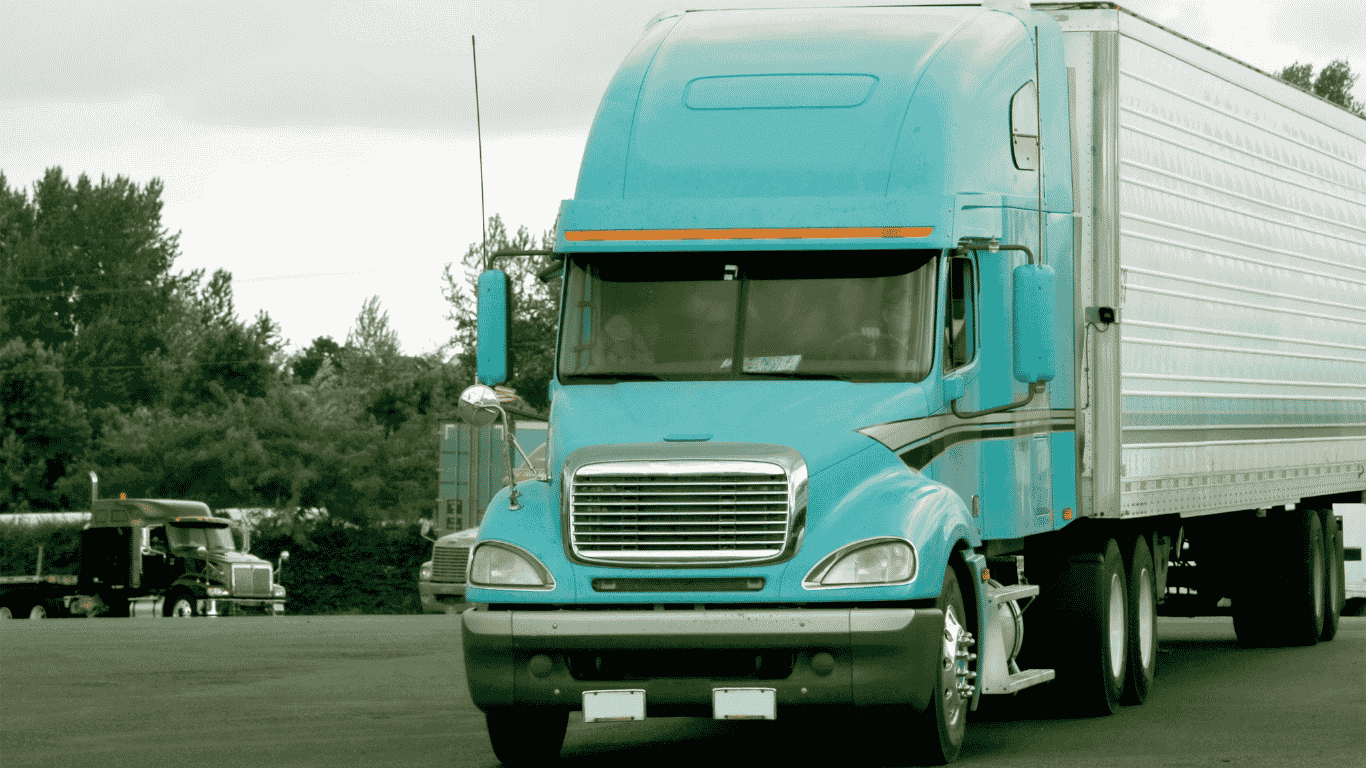
A growing shortage of drayage drivers is pushing major carriers to rely more heavily on in-house operations, turning control over the first and final miles of intermodal freight into an increasingly important competitive advantage.
Major trucking and intermodal carriers remain optimistic that the long-awaited freight market recovery can continue, but a tightening supply of qualified drivers is creating new challenges for capacity particularly in the drayage segment.
Recent earnings reports from several of the industry's largest transportation companies highlighted the growing pressure. While carriers are seeing stronger revenue, improving freight conditions and increased intermodal demand, the availability of drivers for short-haul moves between ports, rail terminals, distribution centers and warehouses remains a significant constraint.
The challenge comes at a time when the industry is already navigating a complicated regulatory environment. Changes to commercial driver's license (CDL) requirements, increased scrutiny of driver-training programs and enforcement efforts surrounding non-domiciled CDLs are creating additional obstacles for bringing new drivers into the industry.
Regulators and state agencies have also increased their focus on CDL compliance and safety standards, while questions surrounding the eligibility and issuance of certain commercial licenses have added uncertainty to the driver pipeline. For carriers already dealing with a limited pool of qualified workers, these developments could make it more difficult to expand capacity quickly.
As the available driver pool remains under pressure, carriers are becoming more selective about the freight they accept. Limited drayage capacity can prevent transportation providers from pursuing additional intermodal business, even when customer demand is available.
At the same time, higher operating costs, fuel prices and persistent pressure on trucking margins are encouraging more shippers to consider intermodal transportation. Rail can offer cost and efficiency advantages over longer distances, but those benefits depend heavily on reliable drayage connections at both ends of the shipment.
That has made the first and final mile of an intermodal move increasingly important.
Rather than depending heavily on outside providers, major carriers are emphasizing in-house drayage networks, company-operated equipment and stronger control over drivers and assets. The strategy can help carriers protect service quality, manage costs and provide customers with more predictable transportation.
Here is how executives from some of the industry's largest transportation companies have described the current environment.
Major Intermodal Carriers Prioritize Profitable Growth
Executives across the intermodal sector have emphasized the importance of maintaining disciplined growth while managing the increasing cost of drayage.
With intermodal volumes continuing to improve in many markets, carriers are seeing more opportunities to convert freight from traditional over-the-road trucking to rail-based transportation. However, those opportunities can be limited when drayage capacity is unavailable or becomes too expensive.
Rather than aggressively pursuing every available load, major carriers are increasingly evaluating whether the economics of each opportunity justify the additional transportation costs.
That approach is particularly important when relying on third-party drayage providers, whose rates can rise quickly when driver availability becomes constrained.
Stay Informed
Get freight market insights delivered to your inbox
Join industry professionals receiving our weekly analysis.
Carriers with established networks in regions experiencing strong freight growth can have an advantage because they can use their existing assets and drivers to support additional volume without depending as heavily on outside capacity.
In-House Drayage Becomes a Competitive Advantage
The driver shortage is also strengthening the case for vertically integrated intermodal operations.
When carriers own or directly control tractors, containers and chassis and employ a significant portion of their drayage drivers, they have greater control over how freight moves between rail terminals and customers.
That control can translate into more consistent service, better visibility, improved equipment utilization and fewer disruptions.
It can also reduce exposure to fluctuating third-party drayage rates. During periods of tight capacity, outside providers may prioritize higher-paying freight, leaving carriers with fewer options for covering customer loads.
For large transportation companies, maintaining an internal drayage operation can therefore provide an important layer of protection.
The strategy is not without challenges. Maintaining tractors and chassis, recruiting drivers, managing terminals and keeping equipment productive all require significant investment.
However, carriers increasingly view those investments as necessary to maintain service reliability and customer retention.
Driver Availability Remains a Key Constraint
The broader trucking industry's labor challenges continue to influence intermodal transportation.
Drayage driving can require specialized knowledge of ports, rail terminals, appointment systems, chassis management, container procedures and local regulations. Drivers also frequently face congestion and long wait times at major freight hubs, making recruitment and retention particularly important.
For carriers, attracting and retaining experienced drivers is becoming just as important as adding physical equipment.
Higher compensation, improved driver support, technology and more efficient dispatching can all play a role in maintaining a dependable drayage workforce. At the same time, carriers are looking for ways to increase productivity so that existing drivers and equipment can handle more freight.
Intermodal Growth Depends on Reliable Drayage
The growing demand for intermodal transportation creates both an opportunity and a challenge.
As shippers look for ways to control transportation costs and improve supply-chain efficiency, rail and intermodal freight can become increasingly attractive. But a container still needs a truck to reach the rail terminal, distribution center or final customer.
That makes drayage a critical link in the entire intermodal network.
If a carrier cannot secure a driver for the short-haul portion of the journey, the efficiency advantages of rail can quickly be undermined by delays, additional costs or service failures.
For that reason, major carriers are increasingly treating drayage capacity as a strategic asset rather than simply an outsourced service.
The Focus Shifts From Volume to Efficiency
The current environment is also changing how carriers define growth.
Instead of chasing freight volume at any cost, transportation companies are increasingly focused on profitable growth, network optimization and operational efficiency. This means balancing customer demand with available drivers, equipment and transportation costs.
Strategies such as improving equipment utilization, optimizing routes, balancing freight networks and reducing empty miles can help carriers generate additional capacity without dramatically expanding their fleets.
Technology is also becoming increasingly important. Transportation management systems, real-time tracking, predictive analytics and automated dispatch tools can help carriers make better use of limited resources and identify potential disruptions before they affect customers.
For large carriers, the ability to combine technology with an in-house drayage network could become a significant differentiator as competition increases.
A Strategic Shift for the Intermodal Market
The growing pressure on drayage drivers illustrates a broader change taking place across transportation.
The industry is entering a period in which capacity, driver availability and operational control may be just as important as freight demand. Carriers that can reliably move containers between rail terminals and customers will be better positioned to capitalize on the ongoing shift toward intermodal transportation.
For major carriers, keeping more drayage operations in-house offers greater control over the customer experience while reducing dependence on an increasingly constrained spot market.
As the freight market continues to recover, the companies best positioned to grow may not simply be those with the most available trucks or the largest networks. They may be the carriers capable of connecting every part of the supply chain efficiently from rail terminal to final destination, while maintaining reliable service and disciplined costs.
In an industry where every delay can affect a customer's entire supply chain, drayage is becoming more than a short-haul service. It is becoming a strategic component of competitive advantage.