Billions Lost to Truck Detention as Drivers and Fleets Face Growing Delays
Staff
Published October 15, 2026
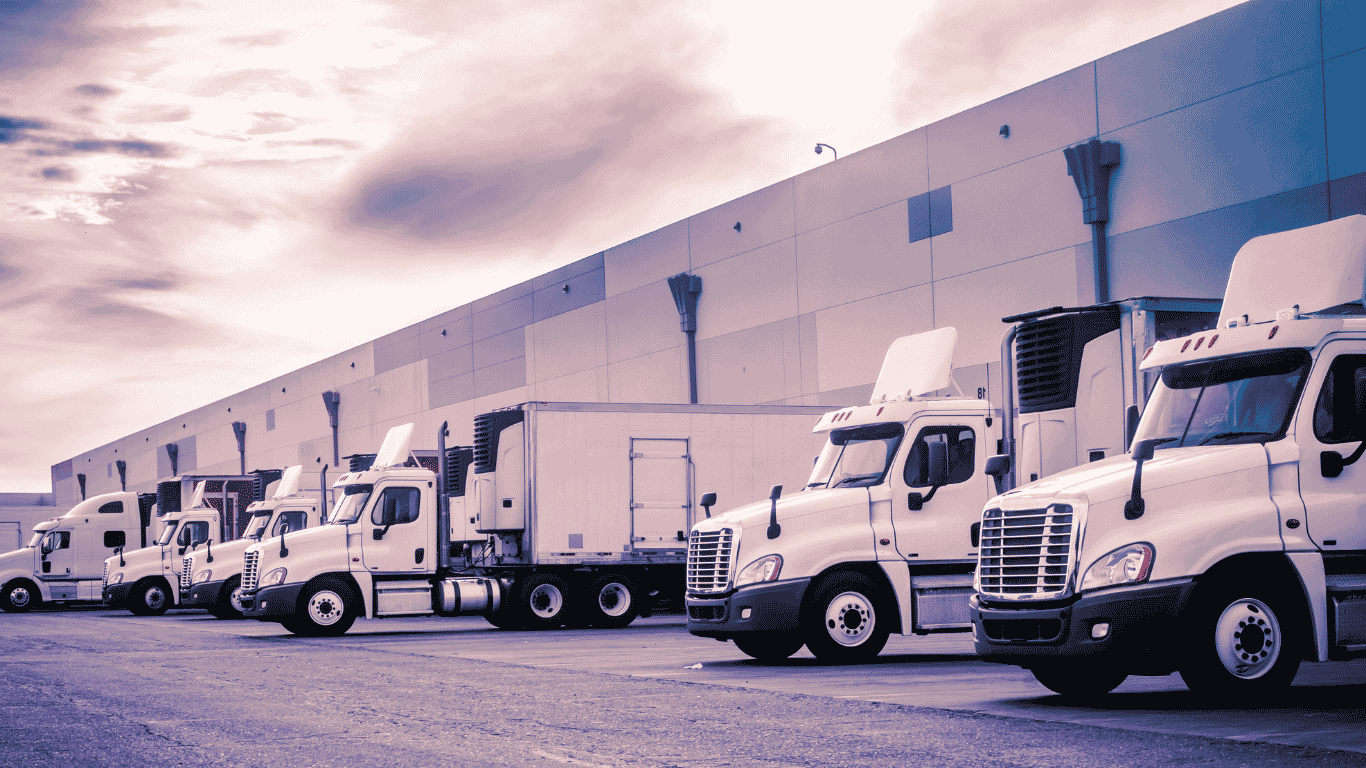

A congressional report released in September renewed attention on strategies to reduce excessive waiting times at shipping and receiving facilities.
Extended loading and unloading delays continue to create a major financial burden for the trucking industry, costing billions of dollars every year. These delays reduce drivers’ earning potential, disrupt fleet operations, and create inefficiencies throughout the supply chain, making truck detention one of the industry's most persistent challenges, according to industry experts and a recent congressional report.
In general, the trucking industry defines detention time as the period when a driver waits more than two hours at a shipper's or receiver's facility beyond the expected time for loading or unloading.
The issue gained renewed attention in September when Congress released a report examining potential solutions as part of preparations for the upcoming surface transportation reauthorization. The report explored ways to reduce excessive waiting times and improve the efficiency of freight transportation.
Industry experts believe that greater accountability for warehouses, distribution centers, and other freight facilities could help reduce detention. However, implementing effective, industry-wide solutions remains a significant challenge.
According to a 2024 report on driver detention publis hed by the American Transportation Research Institute (ATRI), detention generated approximately $3.6 billion in direct costs and $11.5 billion in lost productivity for the trucking industry in 2023. Although 94.5% of fleets reported charging detention fees, facilities paid fewer than half of the invoices submitted by carriers.
The consequences extend beyond financial losses for trucking companies. Drivers are also directly affected by prolonged waiting times. ATRI found that detention time frequently goes unpaid or is compensated at a lower rate than driving time. These delays also consume valuable hours within a driver's 14-hour on-duty window, leaving less time available to complete deliveries and other work.

David Correll, director of market intelligence at freight rail technology company Telegraph, emphasized the personal consequences of these delays.
He noted that drivers have families, personal responsibilities, and lives outside their jobs, yet they can find themselves waiting 12, 24, or even 36 hours without clear information about when they will be able to leave a facility.
One potential solution gaining traction is the development of a centralized system for tracking detention performance at warehouses and distribution centers. Correll, who was referenced in the congressional report, previously advocated collecting standardized information about facility wait times and how drivers are treated while on-site, including whether they have access to essential amenities such as restrooms.
Stay Informed
Get freight market insights delivered to your inbox
Join industry professionals receiving our weekly analysis.
Such a system could give carriers a clearer picture of facility performance, allowing them to make better-informed decisions when selecting shipping locations and negotiating freight rates. By accounting for recurring delays, trucking companies could also improve their ability to estimate operating costs. However, building an accurate and dependable database would present several challenges.
Correll acknowledged that some shippers might be reluctant to participate in a government-backed reporting system that publicly evaluates their performance. While facilities with efficient operations could benefit from positive assessments, others might oppose a system that makes persistent delays more visible.
The Challenge of Collecting Reliable Data
One of the biggest obstacles is the lack of standardized data across the industry. Correll explained that warehouses and distribution centers do not follow a universal naming convention, making it difficult to consistently identify individual locations and combine detention records from different sources.
Despite these limitations, private-sector technology solutions are already helping bridge the information gap.
Platforms such as True Load Time provide loading and unloading data for shipper and receiver locations, while Uber Freight collects facility arrival and departure information to automatically identify potential detention events.
Kevin Nadeau, a director at Tenstreet and founder of True Load Time, developed the platform to help trucking fleets gain greater visibility into facility wait times and make more informed operational decisions.
Nadeau explained that his objective was not to dictate how companies should manage their operations, but rather to provide the information they need to evaluate performance and improve decision-making.
Nevertheless, he believes that lasting improvements may ultimately require some form of government regulation.
Nadeau noted that excessive detention has become widely accepted as an unavoidable part of doing business, despite its serious consequences. Long and unpredictable delays can put drivers under additional pressure to recover lost time, maintain delivery schedules, and meet appointment windows at subsequent stops.
For trucking companies, this creates a difficult balancing act between keeping freight moving, controlling operating expenses, and protecting drivers from unrealistic scheduling demands.
Government Efforts to Address Truck Detention
The congressional report also examined ongoing efforts by the Federal Motor Carrier Safety Administration (FMCSA) to better understand the extent of detention across the trucking industry.
In 2024, FMCSA issued a notice requesting additional information about truck detention after previous data-collection efforts failed to provide a sufficiently complete picture of the problem. The agency aims to use the findings to identify practical strategies for reducing excessive delays and improving freight transportation efficiency.
FMCSA is also advancing a pilot program that examines whether drivers should receive greater flexibility under hours-of-service (HOS) regulations when extended detention prevents them from completing their work within the standard duty period.
A proposal introduced in late 2025 would allow slightly more than 150 participating drivers to extend their 14-hour duty window by up to three hours. In August, FMCSA announced that the pilot program was expected to begin in 2027, operate for four months, and provide compensation to participating drivers.
A preliminary test conducted during the summer involved nine drivers representing three motor carriers operating in Wisconsin, Minnesota, and Ohio.
For Correll and Nadeau, addressing detention is about more than improving operational performance or reducing transportation expenses. Reducing unnecessary waiting times could deliver financial benefits throughout the supply chain while significantly improving drivers' quality of life.
More predictable schedules would help drivers protect their personal time, reduce the pressure associated with missed appointments, and complete their work more efficiently. For carriers, fewer delays could mean better equipment utilization, improved productivity, and more reliable delivery schedules.
Ultimately, solving the truck detention problem will require better data, greater accountability, and cooperation among carriers, shippers, receivers, and regulators. Until meaningful improvements are implemented, excessive waiting times will continue to drain resources, reduce productivity, and place unnecessary pressure on the people responsible for keeping freight moving.