ATA Intensifies Effort to Eliminate Federal Excise Tax on New Trucks
Staff
Published May 14, 2026
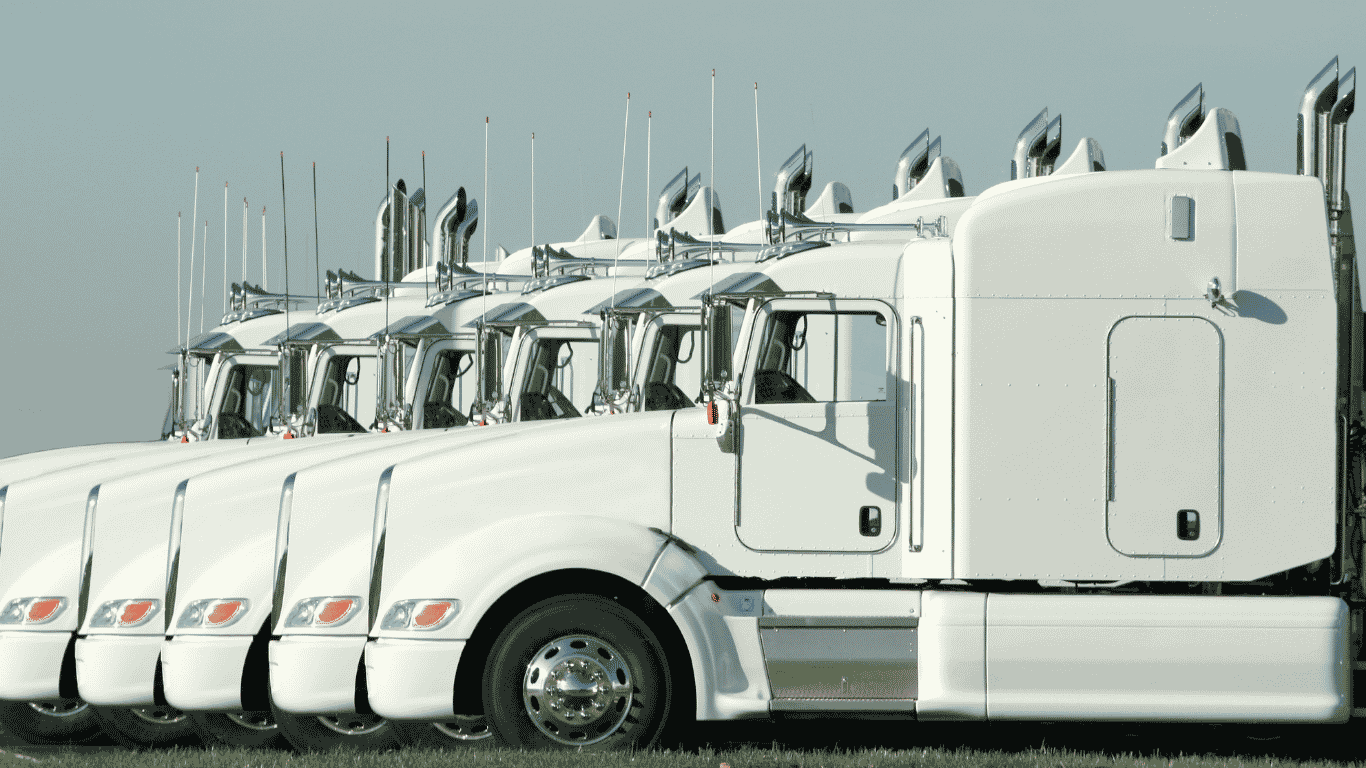

Highway Reauthorization Debate Puts Trucking Tax Reform Back in Focus
As lawmakers in the House prepare to review a major long-term surface transportation reauthorization package later this month, the trucking industry is once again pushing for the repeal of the federal excise tax on new heavy-duty trucks and trailers. Industry leaders argue that removing the century-old tax could accelerate fleet modernization, improve highway safety, and reduce emissions across the transportation sector.
The American Trucking Associations has renewed pressure on Congress to eliminate the federal excise tax, describing it as an outdated financial burden that unfairly targets trucking businesses. The tax, originally introduced during World War I, currently imposes a 12% surcharge on the purchase of certain new heavy-duty trucks, tractors, and trailers.
According to trucking advocates, the policy no longer reflects the realities of today’s freight economy and continues to place unnecessary strain on carriers already navigating rising operational expenses, equipment shortages, insurance costs, and tightening freight margins.
Industry Leaders Say the Tax Slows Fleet Modernization
Transportation policy leaders argue that the excise tax discourages fleets from investing in newer equipment because it significantly increases the upfront cost of purchasing a truck. Depending on specifications and configurations, the tax can reportedly add anywhere from $15,000 to $30,000 to the price of a new Class 8 truck.
Supporters of repeal believe this pricing structure unintentionally encourages carriers to continue operating older vehicles rather than replacing them with newer models that offer better fuel efficiency, lower emissions, and improved safety systems.
The bipartisan Modern, Clean, and Safe Trucks Act, introduced during the current congressional session, aims to eliminate the federal excise tax on qualifying heavy-duty commercial vehicles. While the proposal has received support from multiple transportation and manufacturing groups, congressional leadership has not yet scheduled the bill for formal debate or a vote.
Older Trucks Continue to Dominate U.S. Roads
Supporters of the legislation point out that the average heavy-duty truck operating on American highways is now more than 10 years old. Aging equipment not only increases maintenance and operational costs for carriers but also slows the industry’s transition toward cleaner transportation technologies.
Stay Informed
Get freight market insights delivered to your inbox
Join industry professionals receiving our weekly analysis.
Modern commercial trucks are increasingly equipped with advanced driver assistance systems, collision mitigation technology, fuel-saving powertrains, and cleaner diesel engines that dramatically reduce nitrogen oxide and greenhouse gas emissions compared to older generations of equipment.
Industry experts say repealing the excise tax could accelerate adoption of these technologies while also helping fleets improve reliability and reduce downtime a critical advantage in today’s highly competitive freight environment.
Trucking Groups Emphasize Economic and Supply Chain Benefits
Backers of the repeal effort argue that reducing the cost of new trucks would strengthen freight capacity and improve supply chain efficiency nationwide. Lower acquisition costs could allow carriers to expand fleets faster, replace aging equipment sooner, and invest more capital into driver retention, safety programs, and operational technology.
Advocates also stress that smaller carriers and independent owner-operators would benefit significantly from the change. Many family-owned trucking businesses struggle with the high cost of equipment replacement, especially in a market shaped by elevated interest rates and economic uncertainty.
Transportation organizations additionally believe that increased purchases of new trucks could stimulate manufacturing activity across the commercial vehicle sector, supporting jobs tied to truck production, parts supply, maintenance, and logistics operations.
Environmental and Safety Improvements Remain Central Arguments
Organizations supporting repeal, including dealer and transportation associations, continue to highlight the environmental advantages of replacing older trucks with modern equipment. A significant portion of Class 8 trucks currently operating still rely on pre 2010 engine technology, which produces substantially higher emissions compared to newer models.
New generation trucks deliver major improvements in fuel economy, emissions reduction, and onboard safety technology. Features such as automatic emergency braking, lane departure warning systems, adaptive cruise control, and enhanced telematics have become increasingly common across modern fleets.
For the trucking industry, faster fleet turnover is viewed as a practical way to improve highway safety standards while supporting broader sustainability goals without disrupting freight capacity.
Highway Funding Debate Adds Complexity to the Discussion
The push to repeal the excise tax arrives as Congress faces broader challenges surrounding long-term transportation funding. The House Transportation and Infrastructure Committee is expected to advance its multiyear highway legislation before Memorial Day, although lawmakers have not confirmed whether excise tax repeal language will be included in the final package.
One of the biggest issues remains the financial stability of the Highway Trust Fund, which supports federal transportation and infrastructure programs. Revenue generated from federal fuel taxes has steadily declined in effectiveness due to improved vehicle efficiency and changing transportation trends. Federal fuel tax rates themselves have not been increased since 1993, leaving lawmakers searching for sustainable long-term funding alternatives.
As negotiations continue, trucking industry leaders are expected to intensify efforts to position excise tax repeal as both an economic growth measure and a strategy for modernizing America’s commercial transportation network.
For fleets, owner-operators, and equipment manufacturers alike, the outcome of this debate could have a major impact on future truck purchases, operational costs, and the pace of industry modernization in the years ahead.