Trucking Operating Costs Continued to Climb Faster Than Inflation in 2025, ATRI Reports
Staff
Published July 16, 2026
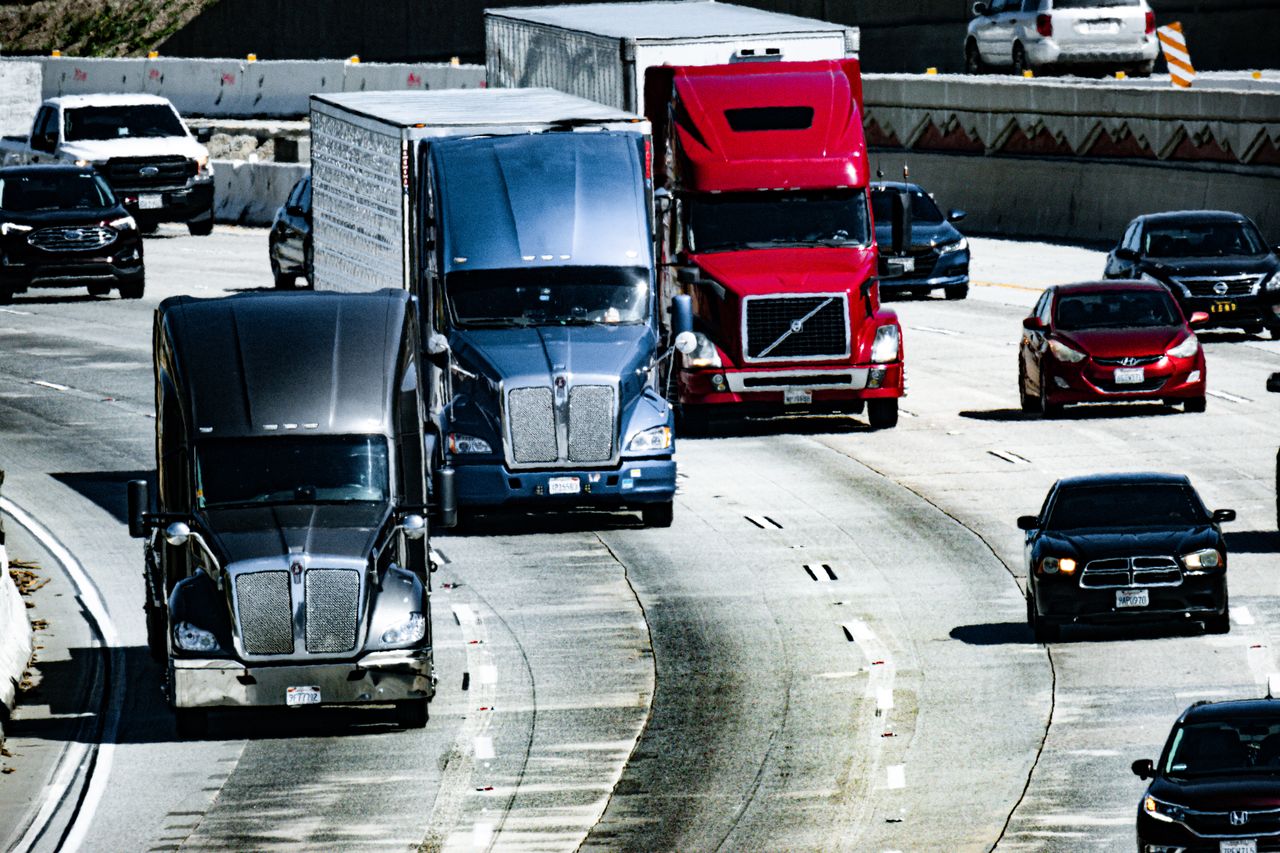
The latest American Transportation Research Institute (ATRI) operational cost analysis reveals that trucking companies faced another year of rising expenses in 2025, with operating costs increasing at a pace that exceeded overall consumer inflation. While fuel prices provided some relief, nearly every other major expense category continued to place pressure on carriers navigating an already challenging freight environment.
The findings, based on ATRI's annual operating cost survey covering 2025 and early 2026, offer valuable insight into the financial realities facing fleets of every size across the trucking industry.
Operating Costs Continue Their Upward Trend
According to ATRI, the average cost of operating a commercial truck climbed to $2.336 per mile in 2025, compared with $2.260 per mile in 2024, representing an increase of approximately 3.4%.
However, fuel expenses can often be recovered through fuel surcharge programs, making the non-fuel cost increase an even more important indicator of industry health. When fuel is excluded, average operating expenses rose from $1.779 to $1.854 per mile, a 4.2% increase.
ATRI noted that this growth exceeded the national inflation rate by roughly 1.5 percentage points, signaling that inflationary pressure remains significantly stronger within the trucking sector than in the broader economy. Rising labor expenses, maintenance costs, equipment prices, insurance premiums, and compliance requirements continue to challenge fleet profitability.
Survey Reflects a Broad Cross-Section of the Industry
The report draws on operational data submitted by carriers across multiple business segments. While less-than-truckload (LTL) carriers represented a larger share of survey participants than their overall market share, the study also included substantial input from truckload and specialized carriers, providing a comprehensive look at industry-wide operating expenses.
Although the mix of respondents varies by segment, the report remains one of the trucking industry's most widely recognized benchmarks for measuring operating costs and financial trends.
Freight Rates Remained Flat Despite Rising Expenses
One of the more concerning findings is that freight rates failed to keep pace with increasing operating costs.
ATRI reported that freight rates and shipment volumes remained relatively unchanged compared with 2024, leaving many carriers to absorb higher operating expenses without corresponding revenue growth.
This ongoing imbalance continues to squeeze profit margins, particularly for small and mid-sized fleets operating in a soft freight market where pricing power remains limited.
Equipment, Maintenance, Insurance and Tires All Became More Expensive
Rather than one expense category dramatically outpacing the others, ATRI found that cost increases were widespread across nearly every area of fleet operations.
Lease and equipment ownership costs experienced a moderate increase, while repair and maintenance expenses continued to climb as aging equipment, higher labor rates, and rising parts prices pushed service costs higher.
Insurance premiums, which have become one of the industry's fastest-growing operating expenses over recent years, increased again during 2025. Tire costs also rose faster than the general inflation rate, reflecting continued pressure from manufacturing, raw material, and supply chain costs.
Together, these steady increases reinforce the importance of preventive maintenance, fleet efficiency, and cost management strategies for carriers looking to protect profitability.
Driver Wages Grew, But Slower Than Inflation
Despite remaining one of the largest operating expenses for carriers, driver compensation increased at a slower pace than overall inflation.
Stay Informed
Get freight market insights delivered to your inbox
Join industry professionals receiving our weekly analysis.
ATRI reported that average driver wages rose by approximately 2.5% during 2025, continuing a trend that began after the exceptionally strong wage growth experienced during the pandemic freight boom.
The report suggests that softer freight demand has reduced upward pressure on wages, allowing compensation growth to normalize after several years of rapid increases.
Large Fleets Continue to Offer Higher Pay
Fleet size continues to influence driver earnings, although the differences are smaller than many might expect.
ATRI found that drivers employed by large fleets with more than 1,000 trucks earned only modestly more than those working for fleets operating around 26 trucks. The lowest average wages were reported among the smallest fleets, while the highest compensation remained concentrated among the industry's largest carriers.
Specialized Carriers Continue to Lead Driver Compensation
Among all trucking sectors, specialized carriers consistently offered the highest driver wages across nearly every fleet size.
The largest wage gap appeared among mid-sized fleets, where drivers working in specialized operations earned significantly more than their counterparts in traditional truckload fleets.
Higher compensation in specialized trucking often reflects the additional skills, certifications, equipment knowledge, and operational complexity required for hauling oversized, hazardous, temperature-sensitive, or high-value freight.
Employee Benefits Are Rising Even Faster Than Wages
One of the fastest-growing operating expenses continues to be driver benefits.
ATRI reported that benefit costs increased by 6.6% between 2024 and 2025, marking the second consecutive year that benefit expenses grew substantially faster than driver wages.
Healthcare costs, retirement contributions, insurance coverage, and other employee benefits continue to place additional financial pressure on fleets attempting to recruit and retain qualified drivers in a competitive labor market.
While this trend was relatively consistent across most fleet sizes, smaller carriers generally experienced less impact because many offer fewer comprehensive benefit packages.
Early 2026 Data Points to Continued Moderate Wage Growth
The report also includes preliminary data from the opening months of 2026, suggesting that driver wage growth remains relatively modest.
During the first two months of the year, carriers reported an average wage increase of approximately 1.6%, indicating that compensation growth may continue below the overall inflation rate as freight demand gradually recovers.
Industry analysts note that wage trends could change later in the year if freight volumes strengthen or driver demand accelerates.
Hiring Bonuses Continue to Decline
Another notable trend is the continued reduction in driver hiring incentives.
Average sign-on bonuses declined again in 2025 after peaking during the post-pandemic freight boom. Retention bonuses also fell, reflecting a slower hiring environment and reduced competition for experienced drivers.
However, fleets increased bonuses tied to safe driving performance and fuel-efficient driving, highlighting a growing emphasis on safety, operational efficiency, and reducing fuel consumption.
Safety Improves While Insurance Costs Continue Rising
The report highlights encouraging progress in highway safety.
Federal crash data shows that both injury crashes and fatal truck crashes have declined compared with pre-pandemic levels, reflecting ongoing investments in driver training, safety technology, and compliance initiatives.
Despite these improvements, commercial insurance costs continued to increase, once again rising faster than consumer inflation. Many carriers continue to cite insurance premiums as one of the industry's most significant financial challenges due to litigation costs, claim severity, and changing underwriting standards.
Driver Turnover Continues to Ease
ATRI also reported improving driver retention across the industry.
Overall driver turnover declined to 44.2% in 2025, down from 48% the previous year, as fewer employment opportunities encouraged drivers to remain with their current employers during a softer freight market.
The trend varied considerably by fleet size. Large truckload carriers continued to experience significantly higher turnover than smaller fleets, where stronger driver relationships, local operations, and company culture often contribute to better retention.
ATRI's latest report illustrates an industry balancing persistent cost inflation, stable freight demand, and cautious optimism. While fuel prices offered some relief during 2025, nearly every other operating expense continued moving upward, placing additional strain on fleet profitability.
As carriers move through 2026, success will increasingly depend on controlling maintenance costs, improving operational efficiency, investing in driver retention, leveraging technology such as Transportation Management Systems (TMS), and optimizing route planning. With freight rates still under pressure, the fleets that effectively manage expenses while improving productivity will be best positioned to remain competitive in an evolving trucking market.