Port Trucking Companies Continue to Face Tough Market Despite Rising Import Volumes
Staff
Published July 6, 2026
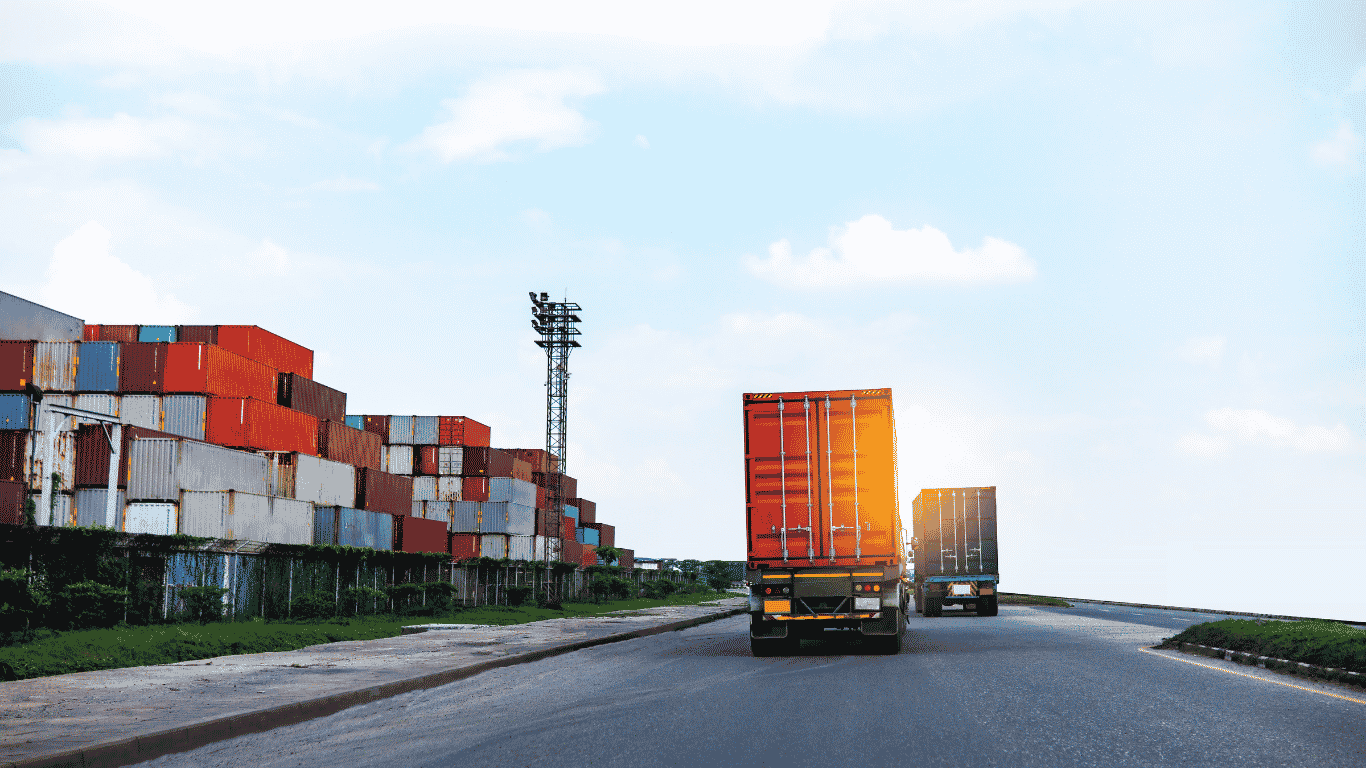

Although U.S. container imports continued to grow during May, many port trucking companies say the increase has done little to improve the difficult business environment. Industry leaders report that low freight rates, rising operating expenses, equipment shortages, and ongoing market instability continue to weigh heavily on drayage carriers serving America's busiest seaports.
While stronger cargo volumes would normally signal better opportunities for truckers, many fleets argue that the current market tells a very different story.
Import Growth Doesn't Automatically Mean More Freight for Truckers
According to the latest global shipping report from Descartes Systems Group, U.S. container import volumes climbed 11.5% year over year in May, reaching 2.43 million twenty-foot equivalent units (TEUs). Compared to April, imports also increased by 6.6%, reflecting stronger shipping activity ahead of anticipated tariff changes.
Despite these encouraging numbers, industry analysts caution that geopolitical uncertainty, including tensions surrounding the Strait of Hormuz, shifting global trade policies, and ongoing tariff disputes, continues to create significant risks for supply chains and transportation providers.
For many trucking companies operating at the ports, higher import volumes have not translated into increased business.
Freight Recession Continues for Many Drayage Carriers
Harbor Trucking Association CEO Robert Loya explained that overall import statistics do not always reflect the amount of freight actually moving through truck gates.
A growing share of imported cargo is being transferred directly onto on-dock rail, bypassing trucks altogether. As a result, even though ports report rising cargo volumes, many drayage carriers are seeing little improvement in freight demand.
Loya noted that numerous trucking companies still consider themselves caught in an ongoing freight recession, where demand remains inconsistent and pricing pressure continues to squeeze already thin profit margins.
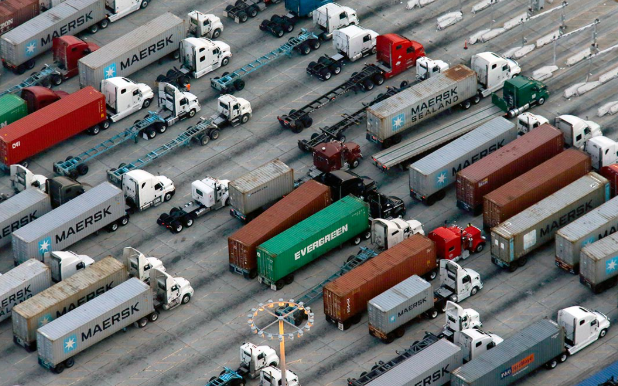
Southern California Ports See Strong Cargo Growth
Both of California's largest container gateways experienced substantial increases in May.
The Port of Los Angeles handled more than 840,000 containers, representing a 17% increase compared with the same month last year. Meanwhile, the Port of Long Beach posted an even stronger performance, with container volumes climbing nearly 32%.
Port officials pointed to resilient consumer demand, supply chain adjustments, and importers accelerating shipments before potential tariff increases as key drivers behind the growth.
However, trucking companies serving these ports say the benefits have been unevenly distributed.
COVID-Era Expansion Still Impacts the Market
According to Loya, many of today's challenges can be traced back to the rapid expansion of trucking capacity during the COVID-19 pandemic.
As freight demand surged during the pandemic years, thousands of new trucking companies entered the market. Now that freight demand has normalized, the industry is left with too much capacity competing for limited freight, creating intense price competition.
Stay Informed
Get freight market insights delivered to your inbox
Join industry professionals receiving our weekly analysis.
This oversupply has fueled what many carriers describe as a "race to the bottom," with freight rates remaining well below sustainable levels for many businesses.
Although some companies have adapted successfully, others continue to struggle with declining margins and reduced freight opportunities.
Fuel Costs Offer Limited Relief
While diesel prices have eased compared with previous highs, many port trucking companies say fuel savings have not significantly improved profitability.
Many freight brokers increasingly negotiate all-inclusive rates, leaving carriers unable to benefit directly from lower fuel costs through separate fuel surcharges.
Since many drayage fleets depend heavily on port freight, walking away from unfavorable contracts is often not a realistic option, particularly for smaller operators with limited customer diversification.
Carriers Turn to Technology to Stay Competitive
To survive prolonged market pressure, many trucking companies are finding new ways to improve efficiency and reduce expenses.
Businesses are investing in artificial intelligence (AI), route optimization software, automated dispatch systems, predictive analytics, and advanced algorithms to streamline operations. Others are reducing administrative costs by outsourcing back-office functions or implementing digital workflows that improve productivity while lowering overhead.
Technology has become an increasingly important tool as fleets search for every possible operational advantage in a highly competitive environment.
Larger Fleets Hold an Advantage
According to industry leaders, large trucking companies generally have greater financial flexibility to invest in technology, equipment, and operational improvements.
Many small and midsize carriers have also found innovative ways to remain competitive, but others have been forced to accept lower freight rates simply to keep trucks moving.
The uneven recovery highlights the widening gap between fleets with strong financial resources and those operating on much tighter margins.
Terminal Congestion Continues to Slow Freight Movement
Beyond pricing challenges, carriers continue to face operational delays at several major ports.
IMC Logistics reports that Port Newark terminals continue to experience significant throughput problems. Long gate wait times, averaging around 2.5 hours per move, combined with limited chassis availability, have remained persistent issues for more than a year.
The company has also observed increasing congestion at terminals in New Orleans and Mobile, Alabama, where limited appointment availability and slower cargo processing have disrupted freight movement over the past several weeks.
On the West Coast, terminal operations in Los Angeles and Long Beach have remained relatively stable, although carriers report growing delays when securing appointment slots after cargo is discharged. Chassis availability has also tightened compared with earlier this year, adding another layer of operational complexity.
Sustainability Initiatives Continue at West Coast Ports
While carriers navigate ongoing economic challenges, ports continue investing in cleaner transportation solutions.
Bali Express Services was recently recognized by leadership at the Port of Long Beach for helping establish a green truck corridor connecting Southern California with Mexico. The initiative supports the port's long-term environmental goals while accommodating growing cross-border trade between the United States and Mexico.
The project reflects the industry's broader transition toward lower-emission transportation, alternative fuel technologies, and sustainable freight operations.
Container Volumes Vary Across Major U.S. Ports
Performance among other major U.S. seaports remained mixed during May.
The Northwest Seaport Alliance reported a decline in container activity, while the South Carolina Ports Authority also experienced a slight decrease in volumes.
Meanwhile, Port Houston continued its steady growth with a modest increase in container traffic, and the Port of Oakland recorded a smaller year-over-year gain.
Monthly container figures for the Port Authority of New York and New Jersey were not available at the time of reporting.
Despite improving container import volumes, the outlook for many port trucking companies remains uncertain. Excess trucking capacity, continued rate pressure, fluctuating freight demand, operational bottlenecks, and global trade uncertainty continue to challenge profitability across the drayage sector.
Industry experts believe that while cargo volumes may remain relatively healthy in the coming months, sustainable recovery for port trucking carriers will likely depend on stronger freight pricing, improved terminal efficiency, balanced trucking capacity, and greater stability in international trade. Until those conditions improve, many trucking companies serving America's ports are expected to remain focused on controlling costs, embracing new technologies, and adapting to an increasingly competitive marketplace.