Crumbling U.S.-Iran Truce Threatens Fleet Margins as Gulf Shipping Freezes
Staff
Published July 9, 2026
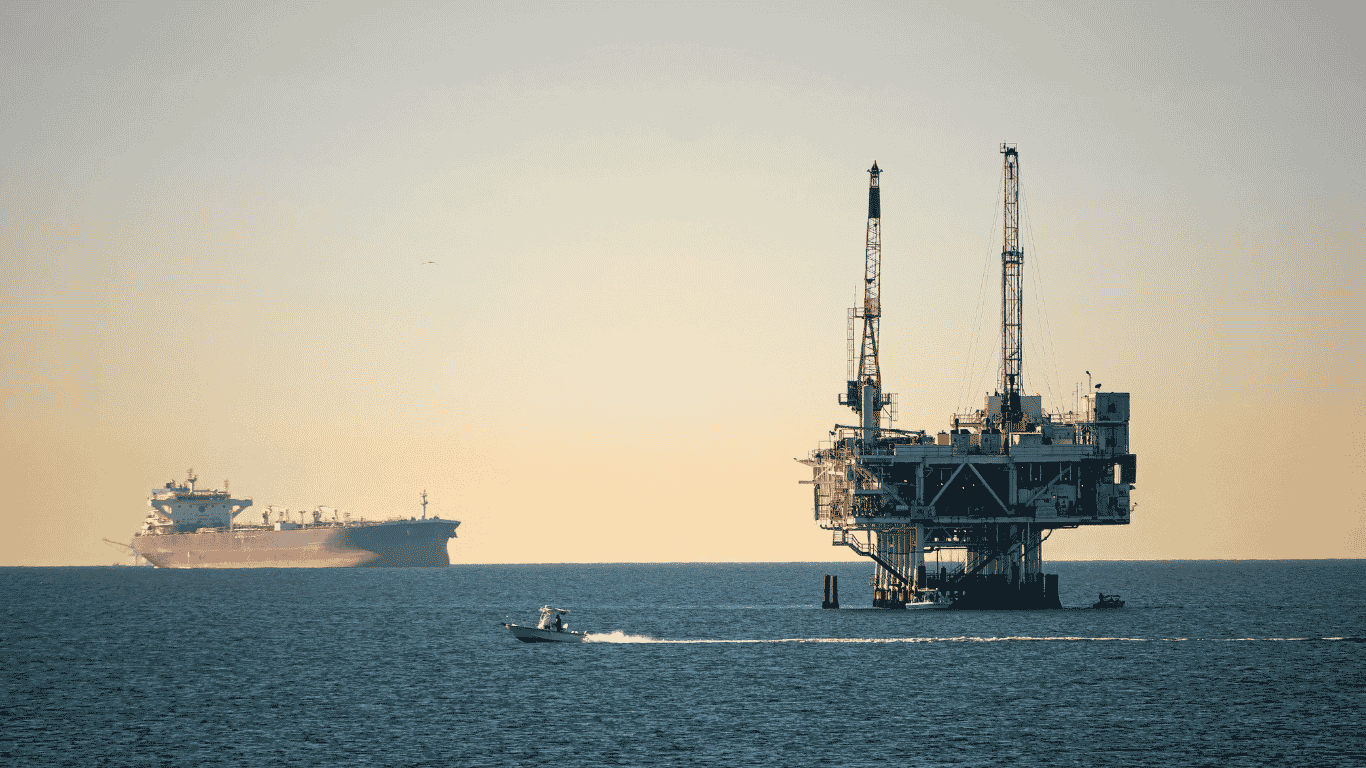
A fragile peace in the Middle East is unraveling, and the ripples are heading straight for the fuel pumps. The sudden collapse of the tentative ceasefire between the United States and Iran has reignited deep anxieties across the transportation sector. With sustained military conflict threatening to choke off the world’s most critical energy chokepoint, the trucking industry is once again bracing for a volatile spike in operating costs.
Crude markets reacted aggressively after Washington declared the truce officially over. The decision followed targeted Iranian strikes on commercial vessels inside the Strait of Hormuz and American military assets in neighboring Gulf states. While carriers and owner-operators had finally been enjoying a brief reprieve from the punishing fuel surcharges of recent months, costlier crude means that relief may be short-lived.
The immediate operational reality is stark. Tanker traffic through the Strait of Hormuz has essentially ground to a halt. Geopolitical analysts at Rystad Energy note that this sudden freeze reflects severe risk aversion from maritime insurers and fleet operators, regardless of the rhetoric coming out of Washington or Tehran.
For domestic freight, the lag between global crude spikes and the retail pump provides a temporary window of visualization, but the squeeze is inevitable. Because refiners produce diesel and gasoline from oil bought weeks in advance, the complex pipeline and logistics network delays the impact. Retail station owners often absorb early price bumps to stay competitive, but they cannot hold the line indefinitely.
Compounding the anxiety is a distinct lack of defensive options for the domestic economy. During previous supply shocks, coordinated releases from emergency stockpiles helped suppress runaway prices. However, those reserves are running dangerously low. The U.S.
Strategic Petroleum Reserve currently sits at its lowest inventory level since 1983, leaving the administration with significantly less ammunition to combat a prolonged energy crisis.
The maritime logistics landscape has dissolved into chaos. Following U.S. moves to revoke Iran’s ability to sell crude openly on the global market, international maritime authorities are urging shipowners to keep crewed vessels out of the Strait of Hormuz entirely.
Stay Informed
Get freight market insights delivered to your inbox
Join industry professionals receiving our weekly analysis.
While some ships continue to brave the passage, many are going "dark" turning off their transponders to hide their locations making an accurate assessment of global oil flows nearly impossible. Active naval mines have forced remaining traffic out of the central shipping lanes and into tighter territorial waters, where recent targeted strikes prove that no route is entirely safe.

This disruption hits the supply chain at a uniquely fragile moment. Ocean freight giants Maersk and Hapag-Lloyd had just announced plans to gradually resume routing vessels through the Suez Canal following a period of relative stability regarding Houthi restrictions in the Red Sea. This renewed friction in the Persian Gulf threatens to derail that recovery, potentially forcing global shipping back into extended, costly detours around Africa that inflate container rates worldwide.
Macroeconomic researchers stress that while the rhetoric remains hostile, diplomatic off-ramps technically still exist. The ultimate trajectory of your fuel surcharges depends on whether this escalation is a temporary disruption or the start of a prolonged conflict. For now, trucking fleets must keep a vigilant eye on the weekly fuel indexes and prepare for the return of heightened volatility.
When crude oil prices spike, the impact on domestic freight is both rapid and highly systematic. For over-the-road (OTR) dry van carriers, understanding this mechanism is key to protecting operating margins.
The Upstream Connection
Crude oil accounts for 45% to 55% of the retail price of a gallon of diesel. When a major supply chokepoint like the Strait of Hormuz is threatened, wholesale diesel futures often spike even faster than crude benchmarks. Refineries pass these costs downstream within days, leading to immediate changes at truck stop pumps.
The Surcharge Mechanics
To protect carriers from this volatility without constantly renegotiating base rates, the industry uses the Fuel Surcharge (FSC) framework.
The Benchmark: Every Monday, the U.S. Department of Energy (DOE) releases the National On-Highway Diesel Price index. This index serves as the universal baseline for freight contracts.
The Peg: Most standard dry van contracts use a "peg" or base fuel price frequently set at $1.25 or $2.00 per gallon.
The Escalator: For every $0.05 or $0.06 move in the DOE index above that peg, the carrier’s fuel surcharge increases by $0.01 per mile. This calculation is built on the industry standard assumption that a loaded Class 8 truck averages roughly 5 to 6 miles per gallon.
The Lag and the Cash Flow Squeeze
While contract surcharges are designed to offset fuel spikes, they expose carriers to a temporary cash flow squeeze during rapid market accelerations. Because the DOE index updates only once a week and shippers often settle invoices on 30 to 60-day terms, carriers must finance the expensive pump prices using their cash reserves today, waiting weeks to collect the adjusted surcharge revenue.
On the spot market, the pressure is even more immediate. Linehaul rates can rapidly deflate as brokers compress margins to accommodate rising fuel burdens, forcing independent owner-operators to absorb the shock directly if they fail to calculate the true all-in cost of a lane.