Georgia Ports’ $5 Billion Expansion Is Reshaping Freight and Trucking Logistics
Staff
Published May 8, 2026
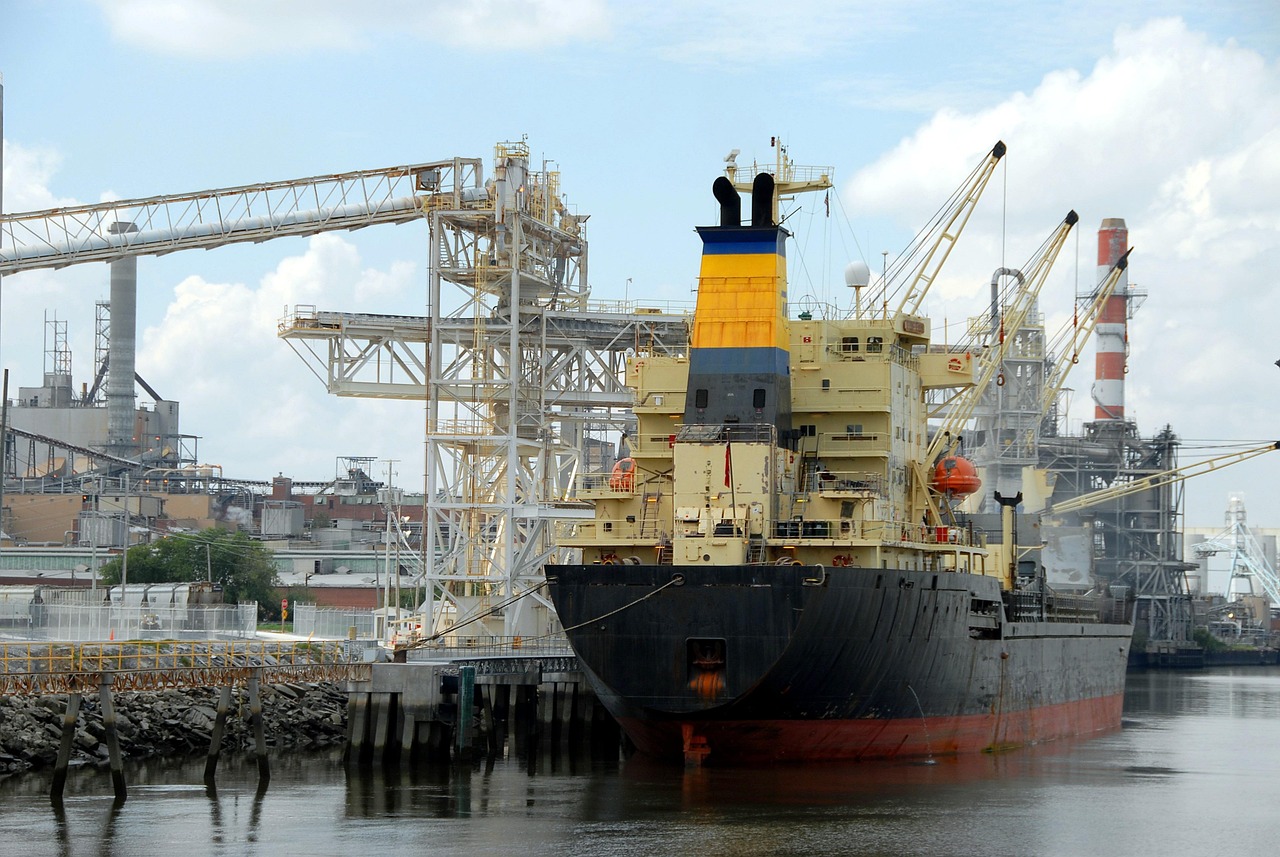

Major infrastructure investments position Savannah as a leading gateway for faster, more reliable supply chains
The future of freight transportation and supply chain efficiency is increasingly tied to how ports adapt to global trade volatility, rising operational costs, and shifting cargo patterns. At the Georgia Ports Authority’s 57th annual Georgia International Trade Conference, industry leaders, logistics providers, and transportation executives gathered to discuss how Georgia is positioning itself as one of the most important logistics hubs in North America.
As supply chains continue to face disruption from economic uncertainty, port congestion, and changing trade routes, Georgia Ports is moving aggressively to strengthen its role as a dependable gateway for importers, exporters, carriers, and trucking companies operating across the Southeast.
State leaders emphasized that continued investment in maritime infrastructure and freight connectivity is essential for maintaining long-term economic growth and supply chain stability. Georgia’s port system is increasingly viewed not only as a regional economic engine, but also as a critical component in national freight movement.
Reliability and flexibility becoming top priorities in freight transportation
In today’s transportation environment, shippers are no longer focused only on freight rates. The industry is placing greater emphasis on predictability, transit consistency, operational speed, and supply chain flexibility.
Georgia Ports leadership explained that customers now expect logistics partners to react quickly to market fluctuations, global disruptions, and changing consumer demand. The Port of Savannah has focused heavily on improving cargo velocity, reducing delays, and expanding multimodal transportation options that help businesses maintain more resilient supply chains.
For the trucking industry, this translates into improved freight flow, reduced wait times, better equipment utilization, and more stable lane opportunities throughout the Southeast region.
Savannah has steadily strengthened its position as an alternative to heavily congested West Coast gateways. Research from logistics experts at Georgia Tech found that routing freight through Savannah can generate significant savings for shippers moving cargo into key inland markets such as Atlanta, Memphis, and Nashville.
Beyond lower transportation costs, the port also demonstrated more reliable transit performance and reduced exposure to congestion-related delays. These advantages are becoming increasingly important as carriers and shippers evaluate the total landed cost of freight rather than simply comparing ocean rates alone.
Savannah’s operational efficiency creating advantages for trucking fleets
Operational performance remains one of Savannah’s strongest competitive advantages. The port currently handles massive cargo volumes while maintaining fast truck processing times that directly benefit motor carriers and owner operators.
Approximately 80% of Savannah’s freight moves inland by truck, reinforcing the port’s importance to the regional trucking economy. Daily truck gate activity ranges between 14,000 and 16,000 moves, making the facility one of the busiest freight hubs in the country.
For trucking companies, faster turn times at terminals can significantly improve productivity and profitability. Port officials highlighted that dual container transactions, where drivers both deliver and retrieve containers during the same visit are typically completed in under 50 minutes, while single transactions average roughly 30 minutes.
Reduced detention time allows fleets to maximize driver hours, improve scheduling efficiency, and lower operating costs in a market where fuel prices, labor expenses, and equipment utilization remain under pressure.
At the same time, Savannah’s growing intermodal rail network is helping create more flexibility for long-haul freight distribution. Rail service becomes increasingly attractive for shipments traveling beyond 250 miles, especially as diesel prices continue impacting trucking operations nationwide.
Stay Informed
Get freight market insights delivered to your inbox
Join industry professionals receiving our weekly analysis.
The port currently supports 42 weekly doublestack train departures connecting inland markets throughout the Southeast and beyond. Officials also noted that Savannah maintains one of the lowest rail dwell times in the nation, helping containers transition quickly between vessel, rail, and truck transportation.
Inland ports helping reduce highway congestion and improve freight access
Georgia Ports recently expanded its inland logistics footprint with the opening of the Gainesville Inland Port, which is expected to become an important extension of Savannah’s freight network.
The facility provides daily rail service into North Georgia manufacturing and distribution corridors, creating additional transportation flexibility for regional shippers and carriers.
During its first year, the inland port is expected to shift approximately 26,000 truck moves from crowded highways to rail transportation. While this reduces traffic congestion around Atlanta, it also creates strategic benefits for trucking operations by allowing drivers to focus on shorter regional hauls and improving freight efficiency across the network.
The inland port model continues gaining momentum across the logistics industry because it helps ports expand cargo reach while reducing congestion at marine terminals. For trucking companies, inland ports can create new drayage opportunities, improve freight density in regional markets, and reduce long-distance empty miles.
Massive 10-year investment plan designed for future cargo growth
Georgia Ports also unveiled an ambitious long-term expansion strategy centered around nearly $5 billion in self-funded infrastructure investments over the next decade.
The expansion plan includes the addition of five new big ship berths at Ocean Terminal and Savannah Container Terminal, more than any other U.S. container port currently planning.
These upgrades are intended to support projected cargo growth while ensuring the port can efficiently accommodate larger container vessels entering East Coast trade lanes.
As freight demand grows, these investments are expected to create significant downstream benefits for trucking fleets, logistics providers, warehousing operators, and regional distribution networks serving the Southeast.
Additional terminal capacity typically translates into higher freight volumes, increased drayage activity, expanded warehouse development, and stronger demand for regional transportation services.
Savannah Harbor improvements aimed at larger vessels and faster cargo movement
Port officials also confirmed plans to study additional deepening and widening of the Savannah Harbor shipping channel in partnership with the U.S. Army Corps of Engineers.
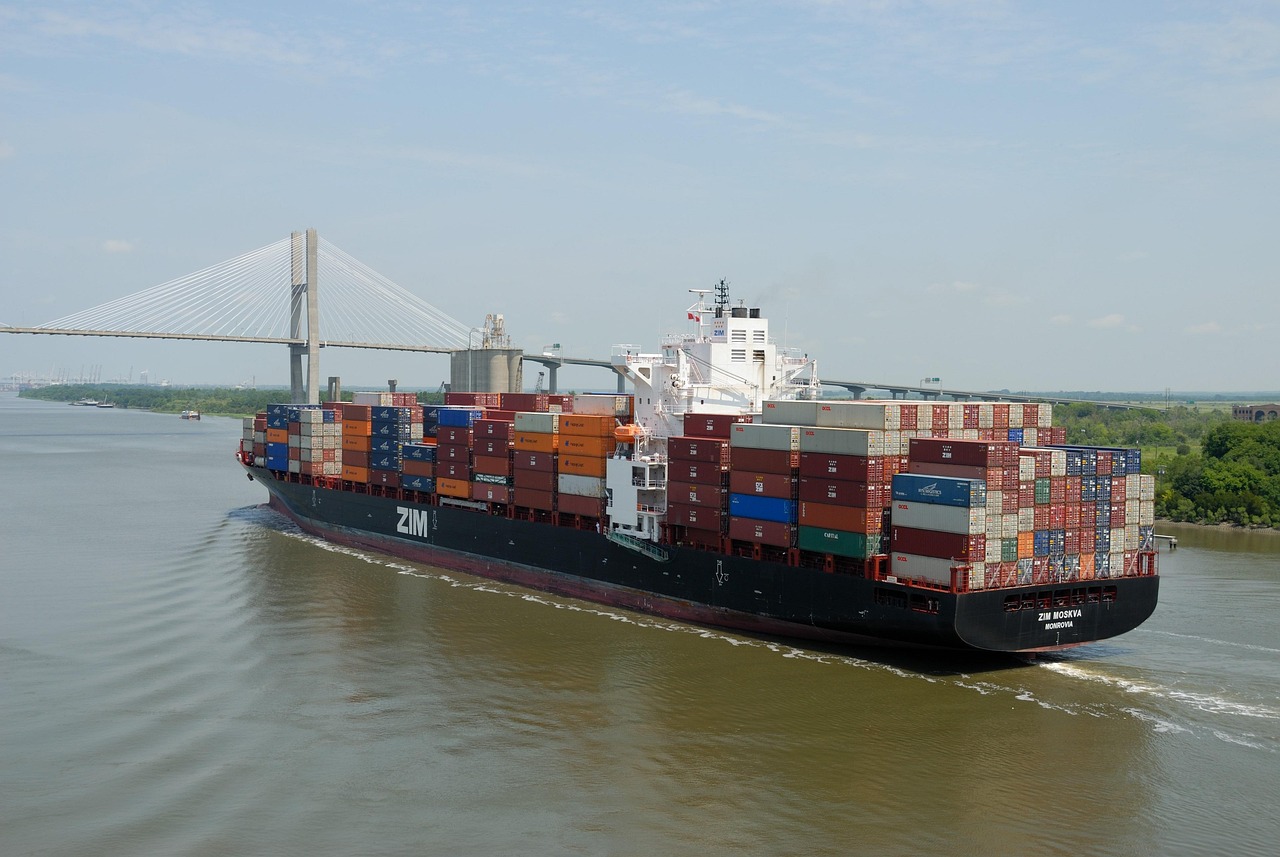
The project is designed to improve access for larger container ships that are becoming increasingly common in global trade. Proposed improvements may also include additional passing lanes that would allow two way vessel traffic, significantly improving ship movement efficiency.
As ocean carriers continue deploying larger vessels to reduce transportation costs, ports capable of handling these ships efficiently are expected to capture greater cargo volumes. Increased vessel capacity can ultimately generate stronger freight demand for trucking companies operating near major port markets.
Highway infrastructure upgrades expected to improve freight mobility
The Georgia Department of Transportation also announced several major roadway projects intended to strengthen freight mobility around the Port of Savannah.
One of the most important developments is the upcoming Brampton Road Connector, a four-lane highway designed to create a direct route between Garden City Terminal and the interstate system. The connector will eliminate rail crossings and reduce truck traffic through residential areas, improving both freight efficiency and community traffic flow.
Additional highway expansion projects include widening portions of Interstate 95 and Interstate 16, two critical freight corridors heavily used by commercial carriers serving the Southeast.
For trucking companies, these infrastructure improvements could help reduce delays, improve transit reliability, lower fuel consumption, and create smoother freight movement throughout the region.
Meanwhile, the Port of Brunswick continues expanding its vehicle handling operations after becoming the nation’s leading port for annual automobile volumes. Plans for an additional ro-ro berth are already underway to support continued growth.
Georgia positioning itself as a long-term freight and logistics powerhouse
Georgia Ports officials believe the combination of port expansion, inland logistics development, rail connectivity, and highway improvements is creating one of the strongest freight transportation networks in the United States.
As supply chains continue evolving, the Southeast is becoming increasingly important for distribution, manufacturing, and consumer delivery operations. Savannah’s ability to combine maritime access, trucking capacity, rail infrastructure, and inland distribution connectivity positions the region for continued long-term growth.
For the trucking industry, these developments represent more than just port expansion. They signal growing freight opportunities, stronger regional freight demand, improved operational efficiency, and a transportation network increasingly built around speed, reliability, and supply chain resilience.